


Can patients with pulmonary tuberculosis drink milk?

Tuberculosis (TB) is a common pulmonary disease in daily life. Patients with mild TB can recover fully after treatment; however, severe cases may become life-threatening. Following TB infection, numerous symptoms may appear, and dietary considerations are especially important. So, can individuals with TB drink milk?
Can individuals with tuberculosis drink milk?
Yes, individuals with tuberculosis may consume milk in moderation. TB often causes prolonged fever, fatigue, loss of appetite, and weight loss. Milk is rich in protein, and drinking it helps TB patients replenish protein and energy, improve nutritional status, and support recovery. In addition to milk, TB patients should also consume moderate amounts of lean meat and plenty of seasonal fresh vegetables, fruits, and other vitamin-rich foods. Most importantly, the cornerstone of TB treatment is anti-tuberculosis drug therapy; patients must adhere strictly to their prescribed medications under medical supervision and undergo regular follow-up examinations.
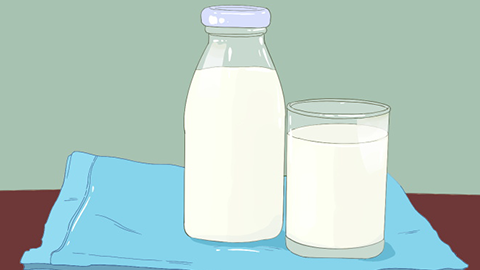
Individuals with tuberculosis may consume milk in moderation. TB patients require enhanced nutrition—typically a diet high in calories, vitamins, and protein—and adequate rest. Provided there is no milk allergy or intolerance (e.g., diarrhea), milk consumption is permissible. TB treatment requires long-term, combination drug therapy; adherence to medication regimens and close collaboration with healthcare providers are essential for successful cure.

TB patients must seek prompt medical treatment. Daily routines should emphasize sufficient rest and appropriate nutrition—favoring high-quality protein and vitamin-rich foods—while avoiding spicy, irritating, hard-to-digest, grilled, or high-fat foods. We hope this information proves helpful to you.


