


How is pulmonary tuberculosis contracted?
Aug 24, 2022
Source: Cainiu Health

Dr. Guo Xiheng
Introduction
Pulmonary tuberculosis is a chronic infectious disease primarily caused by *Mycobacterium tuberculosis*. Its pathological hallmarks include tuberculous granulomas and caseous necrosis, and cavitation frequently develops. Most cases follow a chronic course, while a minority present acutely. Systemic symptoms—such as low-grade fever and fatigue—and respiratory symptoms—including cough and hemoptysis—are commonly observed. Primary pulmonary tuberculosis is also known as childhood tuberculosis.
Tuberculosis (TB) is a chronic infectious disease caused by *Mycobacterium tuberculosis*, capable of affecting numerous organs throughout the body—especially the lungs. In the early stage of *M. tuberculosis* infection, active disease may not develop immediately; however, when the body’s immune defenses weaken, pulmonary tuberculosis can readily occur. So, how does one contract pulmonary tuberculosis?
How Is Pulmonary Tuberculosis Contracted?
Pulmonary tuberculosis is primarily a chronic infectious disease caused by *Mycobacterium tuberculosis*. Its characteristic pathological features include tuberculous granulomas and caseous necrosis, and cavitation frequently develops. Most cases follow a chronic course, while a minority present acutely. Systemic symptoms—such as low-grade fever and fatigue—are common, along with respiratory manifestations—including cough and hemoptysis. Primary pulmonary tuberculosis, also known as childhood tuberculosis, is the predominant form in infants and represents the initial infection following first-time exposure to *M. tuberculosis*.
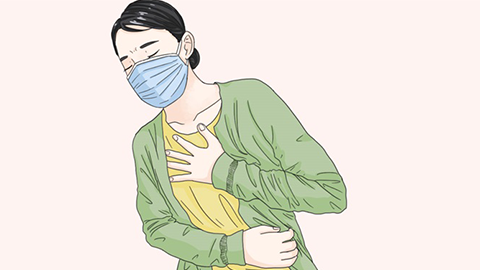
Treatment of pulmonary tuberculosis is predominantly pharmacological, with the main objectives being reduction of the infectious period and lowering of mortality. Antitubercular drugs constitute the cornerstone of therapy; however, they must be initiated promptly and used rationally. Patients require appropriate combination drug regimens, with dosages carefully titrated—not excessively high. Close clinical monitoring is essential throughout treatment, and the standard duration of therapy typically ranges from six to nine months. Strict adherence to the full prescribed course is mandatory; when these principles are followed, treatment success rates reach up to 98%.

In daily life, patients should maintain regular, balanced dietary habits—avoiding spicy or irritating foods and refraining from overeating or staying up late. We hope this information proves helpful to you.


