


Late-stage emphysema symptoms

Currently, the incidence of emphysema is rising due to multiple factors—especially severe air pollution. Additionally, many individuals habitually smoke to relieve various forms of stress when facing significant pressure in daily life. Prolonged smoking can cause extensive damage to the lungs, ultimately leading to emphysema. So, what are the symptoms of advanced emphysema?
Symptoms of Advanced Emphysema
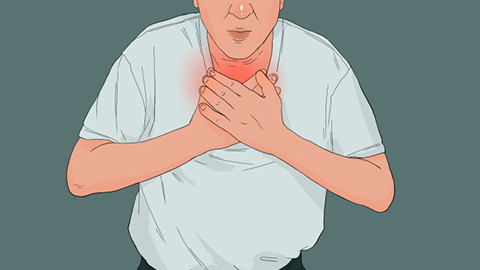
The primary symptoms of advanced emphysema include dyspnea (shortness of breath), chest tightness, breathlessness, coughing, and sputum production. In the late stages of emphysema—when chronic obstructive pulmonary disease (COPD) and asthma have also progressed—the lung volume and thoracic cavity volume progressively increase, placing strain on the heart and potentially resulting in right-sided heart failure, severe dyspnea, and even respiratory failure. Chronic airway inflammation over an extended period causes significant damage to the pulmonary mucosa and reduces the elastic recoil capacity of alveoli. Consequently, the lungs become severely hyperinflated, leading to symptoms such as chest tightness and breathlessness. Moreover, persistent chronic inflammatory stimulation—or coexisting chronic bronchitis—damages the respiratory mucosa, increasing mucus secretion and triggering irritation that manifests as cough and sputum production.
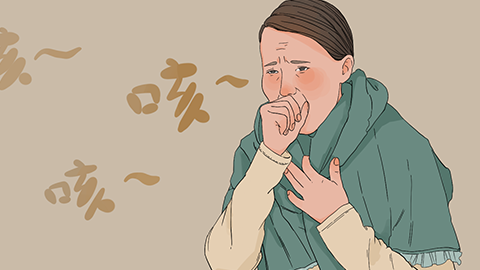
In advanced emphysema, patients typically experience pronounced chest tightness and dyspnea; they may also develop associated symptoms such as edema, abdominal distension, and loss of appetite. As pulmonary function deteriorates significantly in late-stage disease, chest tightness and dyspnea worsen—sometimes to the extent that patients cannot get out of bed due to severe discomfort. Advanced emphysema is frequently complicated by chronic respiratory failure and cor pulmonale, both of which can lead to edema—most notably in the lower extremities.
Patients are advised to maintain regular sleep schedules (going to bed early and rising early), engage in regular physical exercise to enhance overall immunity, and practice good personal hygiene. We hope this information proves helpful to you.


