


How is cervical nabothian cyst treated?

Many people may encounter certain health issues in daily life. The uterus in women is particularly delicate, requiring careful attention and proper care in everyday life. Some women have already discovered cervical cysts. So, how are cervical nabothian cysts treated?
How Are Cervical Nabothian Cysts Treated?
Cervical nabothian cysts are typically managed with conventional approaches, such as antibiotics. Additionally, physical modalities—including laser therapy, phototherapy, or microwave therapy—may be considered. These methods generally cause minimal discomfort. Equally important are preventive measures during treatment. There are substantial anatomical differences between female and male reproductive organs—not only in external appearance but also in structural function. Specifically, the female reproductive tract is relatively open and continuously secretes various substances; while this secretion serves physiological functions, it may also provide pathways for bacterial and viral entry.
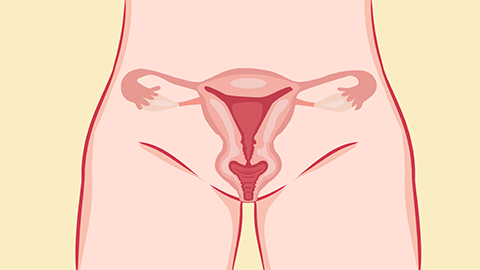
For relatively small cervical nabothian cysts, treatment is often unnecessary; however, annual routine gynecological examinations are recommended. In contrast, more severe cases—such as large cysts or multiple cysts—may warrant initial consideration of phototherapy. Alternatively, physical therapies like laser or microwave ablation may also be appropriate. These physical treatments are associated with minimal pain and generally do not interfere significantly with normal work or daily activities. Nevertheless, adequate rest is essential during treatment, sexual intercourse should be avoided, and cervical cancer screening (e.g., Pap smear or HPV testing) remains strongly advised.

Patients are advised to avoid spicy and irritating foods, as these may exacerbate symptoms. We hope this information proves helpful.


