


How to Treat Cough and Asthma

If patients have a better understanding of asthma and cough, managing asthma becomes easier. Moreover, preventive measures should be taken in daily life to maintain overall health. Different diseases affect the body in distinct ways during treatment; therefore, to minimize adverse effects on the body, it is essential to understand one’s condition thoroughly. So, how is cough-variant asthma treated?
How Is Cough-Variant Asthma Treated?
Asthma and cough require pharmacological treatment, which is a common therapeutic approach. During acute exacerbations, nebulized medications—such as albuterol or terbutaline—may be administered. For long-term maintenance therapy, inhaled medications—including formoterol/budesonide, fluticasone, and salmeterol—are commonly used. Leukotriene receptor antagonists (e.g., montelukast) may also be prescribed orally for anti-inflammatory effects. Short-acting bronchodilators—such as salbutamol and terbutaline—are suitable for symptomatic (palliative) relief. In cough-variant asthma, aggressive anti-inflammatory and bronchodilator therapy is required, and mucolytic or expectorant therapy may be added as needed. Additionally, patients should avoid known allergens and minimize exposure to them.
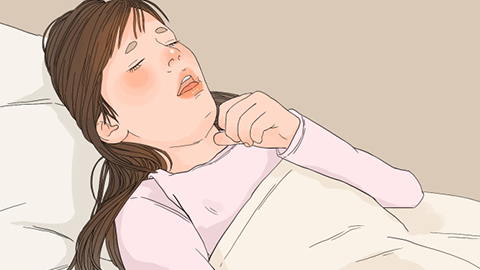
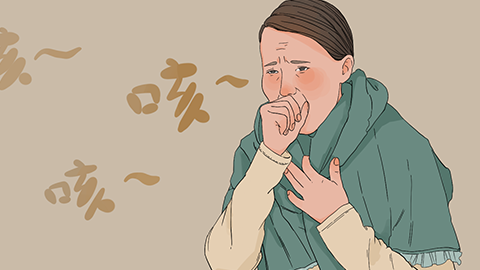
Firstly, cough is a common symptom among asthma patients, often occurring at night. Patients may also experience frequent allergic reactions. This is primarily because asthma is closely associated with allergen exposure; if patients regularly encounter allergens, the pathological changes underlying both cough and asthma tend to worsen progressively. In severe cases, additional symptoms—including nausea, dizziness, shortness of breath, and difficulty walking—may occur.
Regarding diet, patients should follow a light, easily digestible regimen rich in vitamins, favoring liquid or semi-liquid foods and drinking ample water. Small, frequent meals are recommended. We hope this information proves helpful.


