


Can individuals with pulmonary tuberculosis engage in sexual activity?

Currently, due to environmental pollution and deteriorating atmospheric conditions, individuals with weakened immunity are more susceptible to tuberculosis (TB), a common infectious disease requiring prompt treatment. Coughing often worsens following TB infection, significantly impacting patients’ quality of life. Some people wonder whether sexual intercourse is permissible during TB—so, can individuals with pulmonary tuberculosis engage in sexual activity?
Can individuals with pulmonary tuberculosis engage in sexual activity?
Whether a patient with pulmonary tuberculosis may engage in sexual activity depends on sputum test results and overall physical condition. If formal hospital testing confirms that the sputum culture is negative for *Mycobacterium tuberculosis*, the patient is no longer considered infectious. Provided their general health permits, they may resume sexual activity with their spouse—though moderation is essential. However, until sputum tests consistently yield negative results, the patient must sleep in a separate room and abstain from sexual activity entirely. Furthermore, while sexual activity poses no direct risk to patients whose TB lesions are well-controlled, it must be strictly avoided if active TB symptoms are present—such as fever, night sweats, persistent cough, hemoptysis, weight loss, or profound fatigue.

Sexual activity is generally not recommended for TB patients, as adequate rest constitutes one of the fundamental pillars of TB management. The physical exertion involved in intercourse may impede tissue repair and recovery; excessive sexual activity could even exacerbate the disease. Therefore, any decision regarding resuming marital intimacy must be based on a comprehensive assessment of both sputum bacteriology results and the patient’s clinical status—never disregarding personal health limitations or the safety of one’s partner. Consulting the treating physician beforehand is strongly advised to ensure an accurate, individualized evaluation.
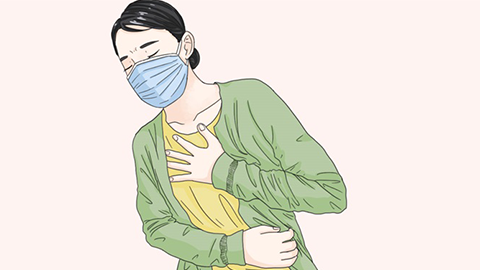
In daily life, patients with pulmonary tuberculosis should strictly adhere to their physician’s instructions regarding medication schedules. Should adverse drug reactions occur or therapeutic response prove suboptimal, patients should promptly contact their healthcare provider. They should also avoid crowded public places whenever possible; wearing a mask is advisable when such exposure is unavoidable. We hope this information proves helpful.


