


What is bilateral pulmonary emphysema?

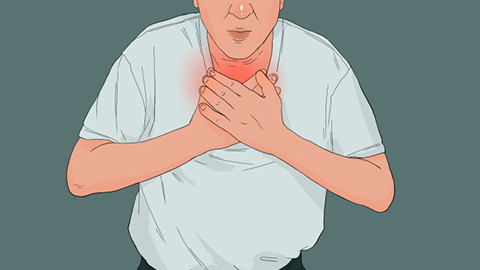
Emphysema is a relatively common pulmonary disease, primarily affecting middle-aged and elderly individuals. Following an episode of emphysema, patients typically experience dyspnea (shortness of breath), sometimes accompanied by chest pain. Without timely treatment, the condition may progressively worsen, posing serious threats to life and health. So, what exactly is bilateral emphysema?
What Is Bilateral Emphysema?
Bilateral emphysema is commonly associated with viral or bacterial infections, air pollution, exposure to harmful dust, and an imbalance between proteases and antiproteases within the body. Patients with emphysema often report symptoms such as fatigue and lethargy, and their pulmonary function is impaired to varying degrees. Early intervention is crucial—patients should seek active treatment during the initial stages to prevent disease progression and potential life-threatening complications. Emphysema is highly prevalent in daily clinical practice, especially among older adults, significantly impairing patients’ quality of life. Untreated in its early phase, the disease tends to deteriorate progressively and may lead to various life-threatening complications.

Bilateral emphysema predominantly refers to bilateral obstructive emphysema—a pathological diagnosis characterized by persistent, abnormal reduction in elasticity of the distal airways—including respiratory bronchioles, alveolar ducts, alveolar sacs, and alveoli—leading to excessive air retention within the lungs. These airways become overdistended and hyperinflated, resulting in gradual enlargement of lung volume. In some cases, destruction of the airway walls may also occur. Affected patients commonly present with symptoms including wheezing, dyspnea, chest tightness, and shortness of breath; type II respiratory failure—typically manifesting as hypercapnia and hypoxemia—is frequently observed.
Patients are advised to drink plenty of water, get adequate rest, and seek prompt medical evaluation when necessary to prevent disease progression. We hope this information proves helpful.


