


Is thoracic aortic sclerosis serious?

Arteriosclerosis itself is a systemic disease that predominantly affects older adults and represents a clear manifestation of arterial aging. As arteriosclerosis progresses, arterial stenosis—or even complete arterial occlusion—may develop. Whether it manifests as arterial narrowing or tumor-like arterial dilation, the eventual outcomes are generally severe. So, how serious is thoracic aortic sclerosis?
How Serious Is Thoracic Aortic Sclerosis?
Thoracic aortic sclerosis is a serious cardiovascular condition. Atherosclerosis can lead to aneurysmal dilation—for example, aortic aneurysms, carotid artery aneurysms, or visceral artery aneurysms. Moreover, aneurysmal dilation may occur following arterial hardening; however, without timely intervention, complications such as thrombosis, arterial rupture, or compression by the aneurysm may arise—indicating that this disease remains highly dangerous.
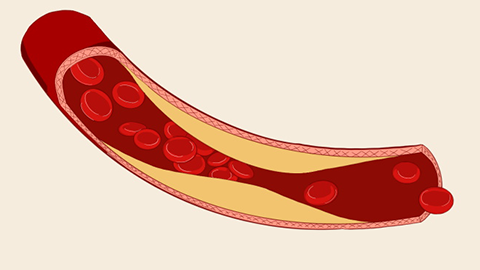
Sometimes, patients may experience dyspnea (shortness of breath). Many individuals may overlook this symptom, attributing it simply to being overly busy. In fact, such dyspnea may be caused by arteriosclerosis, necessitating prompt medical evaluation and treatment. Arteriosclerosis is commonly associated with coronary artery disease; the most critical clinical manifestation of atherosclerosis is myocardial infarction, which may subsequently progress to coronary artery disease. All these conditions represent symptoms of arteriosclerosis; therefore, heightened vigilance in daily life—and avoidance of neglect—is essential.
In daily life, maintain a disciplined diet: avoid spicy and irritating foods, refrain from binge eating, and avoid staying up late. We hope this response has been helpful to you.


