


What vegetables are good for low blood pressure?

Low blood pressure (hypotension) is commonly caused by malnutrition or genetic factors. It may lead to symptoms such as anxiety or weakness and can be improved with certain medications. In daily life, individuals should reduce physical exertion, regulate emotions appropriately, and consume more high-protein foods. So, what vegetables are beneficial for low blood pressure?
What vegetables are good for low blood pressure?
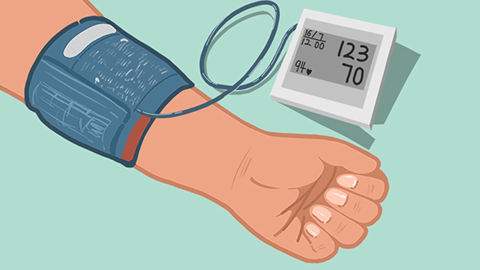
Potatoes, bananas, and broccoli are beneficial for individuals with low blood pressure. Additionally, fermented or pickled foods—such as kimchi, mustard pickles, and salted duck eggs—may also be helpful. Salt helps increase blood volume and blood pressure, enhances nutritional intake, and moderate consumption of fatty foods is acceptable. Vegetables and fruits rich in vitamins A and C—such as tomatoes, bananas, watermelon, and grapes—are also recommended. Blood pressure should be monitored regularly; if readings fall significantly below 90/60 mmHg, medical evaluation and treatment at a hospital are advised.

If hypotension occurs without clinical symptoms—such as dizziness, fatigue, or transient visual darkening—no specific intervention is generally required; routine clinical observation suffices. However, if symptoms are present, vasopressor medications—including traditional Chinese medicines such as Shenmai Decoction—may be used. Patients should prioritize adequate rest, avoid overexertion and upper respiratory infections, maintain positive emotional well-being and consistent, quality sleep, and avoid excessively hot environments. Exposure to extreme heat can cause peripheral vasodilation, potentially worsening hypotension. If hypotension is drug-induced, the causative medication should be discontinued promptly under medical supervision.
In daily life, cultivating healthy lifestyle and dietary habits is essential. We hope this information proves helpful to you.


