


What is orthostatic hypotension?

Orthostatic hypotension is a condition commonly affecting elderly individuals and children. Once developed, it not only compromises the patient’s health but also interferes with normal work and daily life. However, many people in daily life may not fully understand what orthostatic hypotension is—so, what exactly is orthostatic hypotension?
What Is Orthostatic Hypotension?
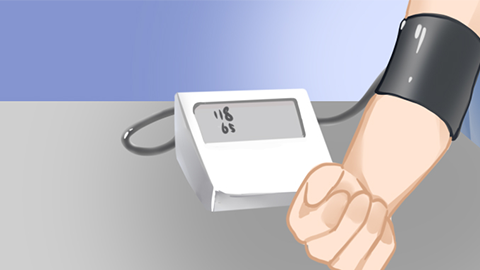
Orthostatic hypotension refers to a drop in blood pressure triggered by a change in body position—most commonly upon standing up from a sitting or lying position. It generally encompasses two types: secondary hypotension and acute (or primary) orthostatic hypotension. Secondary orthostatic hypotension arises from underlying conditions such as spinal cord disorders, acute or severe infectious diseases, malnutrition, long-term use of antihypertensive medications or sedatives, or lifestyle- and diet-related factors—including endocrine disorders—which predispose individuals to this condition.

Orthostatic hypotension is particularly prevalent among the elderly and children, with risk increasing with age. As people age, the cardiovascular system gradually deteriorates: elastic fibers in large arteries diminish, and sympathetic nervous system activity increases—both contributing to elevated systolic blood pressure. Prolonged exposure to relatively high blood pressure can impair the sensitivity of baroreceptors and adversely affect vascular and ventricular function.
Acute illnesses causing excessive fluid loss, certain antihypertensive drugs or diuretics, or even reduced physical activity can all precipitate orthostatic hypotension upon standing. We hope this explanation proves helpful.


