


Can people with hypertension eat pumpkin?

I believe everyone is aware that the causes of hypertension are highly complex and that it can lead to numerous other complications. Therefore, preventing hypertension is essential. To effectively prevent it, we must first understand this condition. So, can individuals with hypertension eat pumpkin?
Can individuals with hypertension eat pumpkin?
Individuals with hypertension may include pumpkin in their regular diet—provided they do not have coexisting conditions such as diabetes. Pumpkin is highly nutritious and possesses significant medicinal value. It is rich in vitamin A, vitamin C, calcium, tryptophan, and dietary fiber. Notably, pumpkin contains abundant calcium, potassium, and sodium—nutrients especially beneficial for middle-aged and elderly individuals and those with hypertension. Thus, pumpkin is a suitable food choice for hypertensive patients and offers notable health benefits. However, moderation is key: while pumpkin consumption is beneficial, excessive intake should be avoided. In daily life, moderate portions are recommended, alongside increased consumption of other vegetables—such as celery, onions, spinach, kelp, purple laver (nori), and wood ear mushrooms—which also contribute to blood pressure control.
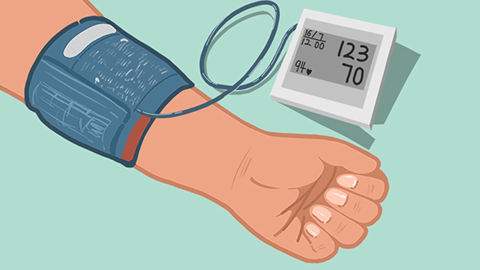
Hypertension is a clinical syndrome characterized by persistently elevated systemic arterial blood pressure. It is the most common cardiovascular disorder and a major risk factor for multiple cardiovascular diseases. Chronic hypertension adversely affects vital organs—including the heart, brain, and kidneys—and may ultimately result in organ failure. In fewer than 5% of cases, elevated blood pressure is a clinical manifestation of an underlying disease with a clearly identifiable and distinct etiology; this is termed secondary hypertension.

It is recommended to consume more fresh vegetables, low-sugar fruits, and protein-rich foods—including fish and lean meats—to enhance protein intake and increase potassium consumption, both of which are highly beneficial for the prevention and management of hypertension. We hope this information proves helpful to you.


