


Can people with hypertension eat walnuts?

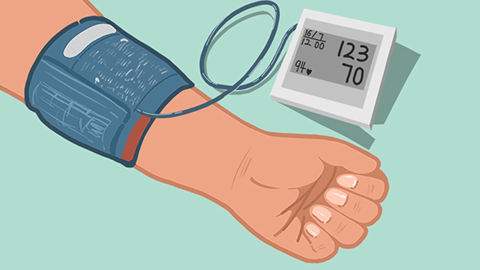
The primary measures for preventing hypertension involve maintaining healthy lifestyle habits. First, engaging in moderate physical activity helps regulate blood pressure. It is also essential to improve dietary habits and prevent unhealthy eating patterns—specifically, avoiding alcohol consumption, ensuring adequate intake of calcium and potassium, consuming low-fat and low-sodium foods, and maintaining a positive mental attitude. So, can individuals with hypertension eat walnuts?
Can Individuals with Hypertension Eat Walnuts?
Yes, individuals with hypertension may consume walnuts. Walnuts are an excellent type of nut, offering notable health benefits for the brain and the spleen-stomach system. They help unblock and activate the body’s meridians and may even promote hair darkening. Regular walnut consumption contributes to smoother skin. Walnuts are rich in various vitamins that nourish body cells and enhance immune function, making them a highly beneficial tonic. The majority of fat in walnuts consists of unsaturated fatty acids, which do not elevate blood cholesterol levels; instead, they reduce cholesterol absorption in the intestines. Therefore, appropriate walnut consumption may help prevent atherosclerosis in hypertensive patients.

In daily life, it is crucial to follow a light, balanced diet—emphasizing vegetables and fruits—to prevent constipation and ensure sufficient intake of vitamins and dietary fiber. The principal fat component in walnuts is glyceryl linoleate; its consumption does not raise cholesterol levels but rather decreases intestinal cholesterol absorption.
In everyday life, maintain regular, disciplined eating habits: avoid spicy and stimulating foods, refrain from overeating or binge eating, and minimize late-night activities. We hope this information proves helpful.


