


What is arteriosclerosis?

As people age, their risk of developing cardiovascular diseases increases, and many elderly individuals suffer from arteriosclerosis.
In general, causes of arteriosclerosis include hypertension, diabetes mellitus, and physical inactivity—conditions that may lead to symptoms such as chest tightness and dizziness. But what exactly is arteriosclerosis?
What Is Arteriosclerosis?
Arteriosclerosis refers to a group of arterial diseases characterized by arterial wall thickening and hardening. It predominantly affects medium-sized muscular arteries in older adults, often presenting with moderate calcification and frequently co-occurring with hypertension and diabetes. Microscopic examination commonly reveals hyaline changes in small arteries. Management of arteriosclerosis emphasizes dietary modifications, appropriate physical labor, and regular exercise. Arteriosclerosis is commonly associated with dyslipidemia—an abnormality in blood lipid levels—and involves pathological alterations in arterial wall composition, typically affecting large and medium-sized arteries. It is closely linked to coronary artery disease.
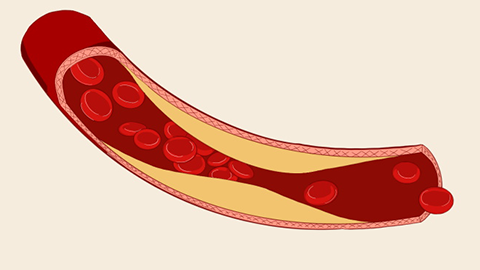
To prevent atherosclerosis (a specific type of arteriosclerosis), it is essential to maintain a balanced diet and limit intake of fats—especially saturated fatty acids found in foods such as lard, butter, and other animal fats—to reduce the risk of lipoprotein deposition on arterial walls, which can trigger atherosclerotic plaque formation. Instead, incorporate foods rich in unsaturated fatty acids, such as fish, plant-based oils, and soy products.

In daily life, patients should maintain a positive mental outlook, actively cooperate with physicians during treatment, take prescribed medications consistently and as directed, and pay attention to routine self-care—thereby facilitating prompt clinical improvement. We hope this information has been helpful to you.


