


What should I do if I have pulmonary tuberculosis and high uric acid levels?

Uric acid is a natural metabolic waste product generated by human cells. Under normal circumstances, the amount of uric acid produced in the body remains in balance with the amount excreted. However, certain factors—such as hypertension or delayed excretion—can impair uric acid elimination. So, what should be done if a patient with tuberculosis has elevated uric acid levels?
Management of Elevated Uric Acid in Tuberculosis Patients
Elevated uric acid in tuberculosis patients can be managed through increased fluid intake and anti-inflammatory medications. It is recommended to drink 2,500–3,000 mL of water daily to promote urinary excretion of uric acid. Moderate physical activity and sweating may also aid uric acid elimination; however, the intensity and duration of exercise should be tailored to the individual’s clinical condition. As advised by a physician, sodium bicarbonate tablets may be taken, or dietary adjustments made—such as increasing intake of alkaline vegetables while reducing consumption of acidic foods like meat—to help lower serum uric acid levels. For patients presenting with gout symptoms, uric acid–lowering agents—including benzbromarone, allopurinol, and sodium bicarbonate—may be prescribed, along with nonsteroidal anti-inflammatory drugs (NSAIDs) such as sustained-release ibuprofen capsules for pain relief. During this period, high-purine foods—such as red meat, legumes, and beer—should be strictly avoided.
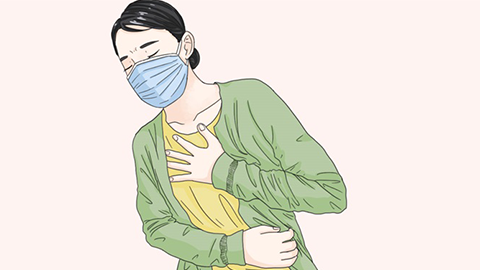
Health education initiatives should be strengthened to raise awareness among young people regarding the hazards and transmission routes of tuberculosis. Good hygiene practices—such as refraining from spitting in public places—should be promoted. Sputum from tuberculosis patients must be either incinerated or disinfected with appropriate antimicrobial agents. Regular health examinations for adolescents are essential to ensure early detection, prompt isolation, and timely treatment. Furthermore, medical education networks should promptly collect and administer the Bacille Calmette-Guérin (BCG) vaccine to infants and young children to stimulate protective immunity and reduce tuberculosis incidence.
In daily life, cultivating healthy lifestyle and dietary habits is crucial. We hope this information proves helpful to you.


