


Can people with hypotension drink Shengmai Decoction?

Low blood pressure may be genetically inherited, or it may result from malnutrition or a significantly weakened immune system. It is advisable to appropriately supplement the body’s nutritional needs—maintaining regular, three-meal-a-day eating habits and incorporating fruits or other nutrient-rich foods into daily meals to prevent deficiencies in trace elements.
Can individuals with low blood pressure consume Shengmai Yin?
Yes, individuals with low blood pressure may consume Shengmai Yin. Low blood pressure is generally categorized as either physiological (primary) or pathological. Physiological hypotension is commonly observed in primary (essential) hypotension. Shengmai Yin can help improve overall physical constitution and should be used as part of a holistic lifestyle adjustment strategy. Patients may also benefit from drinking moderate amounts of lightly salted water and increasing intake of high-fat, high-salt foods to help elevate blood pressure. In cases of pathological hypotension, Shengmai Yin may be used during the acute phase alongside conventional Western medications, and active fluid resuscitation should be administered to address the underlying cause.
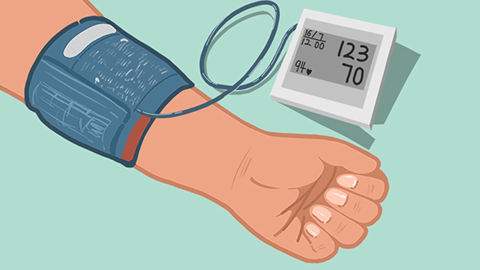
During the chronic phase, continued use of Shengmai Yin remains appropriate and may contribute to improved blood pressure regulation. Long-term administration of Shengmai Yin has not been associated with significant toxicity or adverse effects; however, periodic monitoring of liver and kidney function, as well as follow-up for any emerging discomfort, is recommended. For hypotension secondary to an underlying disease, prompt medical evaluation—including comprehensive diagnostic testing—is essential to identify the root cause and initiate timely, targeted treatment of the primary condition.
In daily life, maintain a regular, balanced diet—avoid spicy, stimulating, or excessively rich foods, and refrain from binge eating or staying up late. We hope this information proves helpful.


