


How to Manage Chronic Pulmonary Tuberculosis

Tuberculosis (TB) is common in both men and women. Pulmonary tuberculosis—the most common form—is a respiratory infectious disease. Healthy individuals should avoid close contact with TB patients to prevent infection. Particular attention should be paid to patients whose sputum tests are positive during examination. Although TB is curable, its recurrence rate remains high. So, how should one manage inactive (old) pulmonary tuberculosis?
How to Manage Inactive Pulmonary Tuberculosis
Managing inactive pulmonary tuberculosis requires heightened attention to daily lifestyle habits. If a patient previously had TB and has fully recovered—either after treatment or spontaneously—no further treatment is necessary. Inactive pulmonary tuberculosis is closely associated with the patient’s normal immune function; therefore, strengthening physical fitness through regular exercise and ensuring adequate ventilation by opening windows regularly are essential. Additionally, smoking must be avoided, as should visits to crowded places with poor air quality.

Inactive pulmonary tuberculosis indicates that the disease is currently non-active—or that Mycobacterium tuberculosis may not have been completely eradicated. In other words, some bacilli may persist in a dormant state within the body and could potentially reactivate. Therefore, patients with inactive pulmonary tuberculosis must undergo regular medical check-ups to prevent disease reactivation or secondary infections.
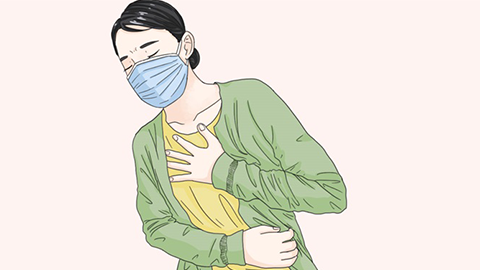
In daily life, maintain a disciplined diet: avoid spicy and irritating foods, refrain from overeating or binge eating, and avoid staying up late. We hope this information is helpful to you.


