


The main symptoms of emphysema are

Because influenza symptoms are very similar to those of the common cold, it is often difficult to make an accurate diagnosis. However, it is important to understand that influenza poses significantly greater health risks than the common cold; therefore, gaining a better understanding of influenza is essential for timely detection and treatment. So, what are the main symptoms of emphysema?
Main Symptoms of Emphysema
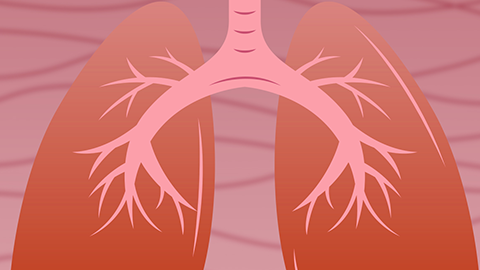
The primary symptoms of emphysema include shortness of breath, wheezing, coughing, and systemic manifestations. In the early stages of emphysema, patients may be asymptomatic or experience only mild dyspnea after light physical activity. As the disease progresses, symptoms worsen and may include increasing breathlessness, fatigue, weight loss, cough, and sputum production. In more advanced cases, patients may develop a “barrel chest,” hyperresonance on percussion, and diminished respiratory movement. Pulmonary function tests reveal abnormalities, arterial blood gas analysis typically shows decreased partial pressure of oxygen (PaO₂) and elevated partial pressure of carbon dioxide (PaCO₂).

Emphysema is a chronic pulmonary disorder characterized by premature closure of small airways during expiration, resulting in shortened expiratory time and increased residual lung volume. Patients commonly present with recurrent cough, sputum production, and progressive dyspnea. If a secondary infection occurs, cough and sputum production intensify, and shortness of breath becomes markedly worse. Additionally, signs of infection and systemic toxicity—such as fever—may appear.
In patients with significant airway obstruction, dyspnea becomes more severe and may be accompanied by hypoxia and cyanosis—manifested as bluish discoloration of the lips and nail beds. In late-stage emphysema complicated by cor pulmonale, patients may experience chest tightness, worsening dyspnea, and bilateral lower-limb edema. We hope this information is helpful to you.


