


What Causes Chronic Hypotension?

Modern individuals frequently experience abnormal blood pressure, including both hypertension and hypotension. Regardless of the type, such abnormalities can cause harm to the body. In severe cases, they may impair daily functioning and contribute to other diseases. At this point, medical consultation and active disease management become essential. Hypotension—low blood pressure—is often misunderstood; many people are unaware of its specific causes. So, what are the underlying reasons for chronic hypotension?
Causes of Chronic Hypotension
Chronic hypotension depends on the specific etiology. Some patients may respond well to dietary therapy or traditional Chinese medicine (TCM). Clinically, hypotension is defined as a systolic blood pressure below 90 mmHg and/or a diastolic blood pressure below 60 mmHg. Physiological causes include reduced food intake, weight loss, and insufficient physical activity. Pathological causes encompass shock, anemia, hypoglycemia, and hypoalbuminemia. In other cases, hypotension results from inappropriate dosing of antihypertensive or antidiabetic medications. When hypotension stems from an underlying pathological condition, treating the primary disease is essential to improve and normalize blood pressure. If the cause is physiological, TCM or dietary therapy may be effective. For instance, reduced food intake or weight loss often corresponds to “spleen qi deficiency” in TCM theory; in such cases, Bu Zhong Yi Qi Wan (Tonify the Spleen and Augment the Qi Pill) may be recommended.
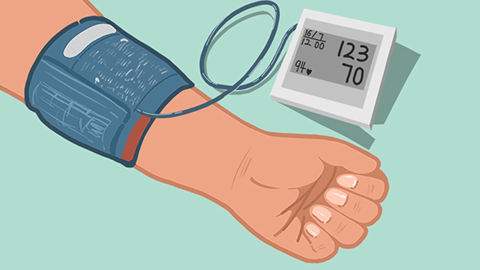
Nutritionally, patients should consume a high-nutrient, easily digestible diet rich in vitamins. Supplementing with vitamin C, vitamin B complex, and niacinamide is advisable. Moderate consumption of strong tea may help enhance central nervous system excitability and improve central vascular tone and peripheral vasomotor function, thereby supporting blood pressure regulation and alleviating clinical symptoms. Engaging appropriately in physical and therapeutic exercises—such as medical gymnastics, fitness routines, tai chi, massage, and physiotherapy—can also improve cardiopulmonary function and elevate blood pressure.

It is recommended to maintain regular meal times, avoid overeating or binge eating, and regulate sleep patterns—going to bed and waking up at consistent hours—to support overall recovery. We hope this information proves helpful to you.


