


Can atherosclerotic plaques be removed?

The greatest concern is that this phenomenon—caused by certain underlying medical conditions—has been widely overlooked. It is therefore essential to understand that not all bruises result from physical trauma or contusions. So, can atherosclerotic plaques be removed?
Can Atherosclerotic Plaques Be Removed?
Atherosclerotic plaques cannot be completely removed. Once a patient has developed atherosclerotic plaques, complete removal is typically unattainable. Patients can only take prescribed medications to prevent disease progression, thereby relatively slowing its advancement. For instance, under a physician’s guidance, patients may take antiplatelet and anti-atherosclerotic drugs—such as aspirin, clopidogrel, or ticagrelor—to inhibit platelet aggregation and impede the progression of atherosclerosis. Equally important are statins—the cornerstone pharmacotherapy for atherosclerosis. Representative agents include simvastatin and pravastatin. These medications help reduce lipid levels, stabilize existing plaques, improve vascular endothelial function, and exert anti-inflammatory effects.
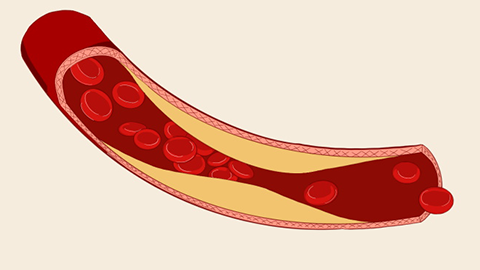
Eliminating atherosclerotic plaques is extremely difficult. Instead, consistent lifestyle modifications and pharmacological management are required to stabilize plaques—preventing their rupture or further enlargement. Regarding lifestyle, patients should adopt a low-salt, low-fat diet: limiting sodium intake and avoiding foods high in saturated fat and triglycerides—such as fatty meats, fried foods, egg yolks, and organ meats.

Thus, when dyslipidemia is present, lipid-lowering medications are necessary to stabilize plaques. Commonly used agents include atorvastatin and rosuvastatin. We hope this response is helpful to you.


