


Is it advisable to administer an injection for hypotension?

Dysmenorrhea is a common condition, and its severity varies from person to person. Individuals with relatively weaker constitutions—especially when combined with unhealthy lifestyle habits—may experience more severe dysmenorrhea. Some people suffer from intense pain during menstruation, significantly disrupting daily life and sometimes necessitating injections. So, is it advisable for individuals with hypotension to receive injections?
Is Injection Therapy Advisable for Hypotension?
Injection therapy is generally not recommended for hypotension. While intravenous (IV) fluid therapy can be used to treat hypotension, the decision to administer IV treatment must be based on the patient’s specific blood pressure level, clinical symptoms, and presence of abnormal hemodynamic manifestations—such as severe hypotension accompanied by shock, syncope, profound dizziness, or nausea. In such cases, intravenous medications may be required to raise blood pressure. For patients with milder or nonspecific symptoms, certain traditional Chinese herbal preparations may be administered intravenously to support blood pressure elevation. However, if no significant clinical symptoms are present, IV therapy is typically unnecessary.

Oral administration of Shengmai Beverage or increased water intake may help elevate blood pressure. When hypotension occurs, identifying its underlying cause—whether physiological or pathological—is paramount. Pathological causes require targeted treatment based on etiology, whereas physiological causes usually do not necessitate specific interventions and pose minimal risk to health.
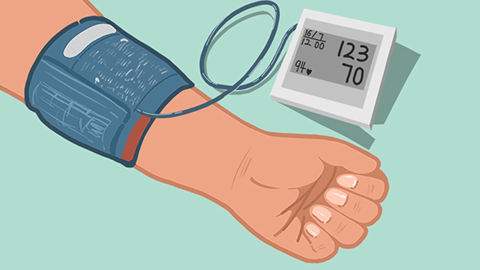
Individuals with hypotension are advised to maintain a nutritious diet, incorporating high-protein foods such as chicken, duck, and red-skinned peanuts to support blood production and circulation. When necessary, medications—including Shengmai Beverage oral solution, fluid replacement, plasma volume expanders, or other antihypotensive agents—may be prescribed according to individual clinical needs. We hope this information proves helpful.


