


What causes uterine atrophy?

I am 48 years old and have recently entered menopause a few months ago. I’ve experienced some vaginal itching and visited the hospital for a gynecological examination. The doctor informed me that my uterus shows mild atrophy. What causes uterine atrophy?
What Causes Uterine Atrophy?
Uterine atrophy is generally categorized into two types: physiological atrophy and pathological atrophy. Physiological atrophy occurs naturally during certain life stages due to aging, declining or ceasing endocrine function. In women, uterine atrophy commonly develops after menopause, often accompanied by atrophy of other reproductive tissues such as the ovaries, breasts, and external genitalia. This typically begins around age 50.
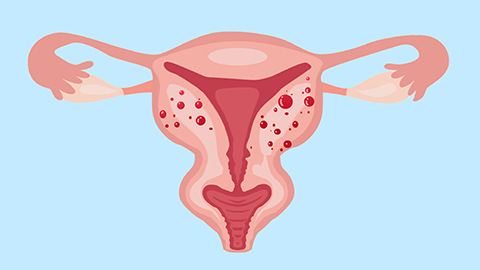
Pathological atrophy refers to uterine shrinkage occurring under disease-related conditions. For example, premature ovarian failure—a condition characterized by diminished ovarian function—can lead to reduced endocrine activity and, in severe cases, atrophy of the uterus and other reproductive organs. Effective treatment for uterine atrophy often involves high-dose hormone therapy. In women of childbearing age presenting with endometrial atrophy, identifying the underlying cause is essential. Clinical symptoms and transvaginal ultrasound assessment of endometrial thickness should guide management, with prompt therapeutic intervention. Estrogen therapy is commonly employed to promote recovery, alleviate symptoms, and treat uterine atrophy.
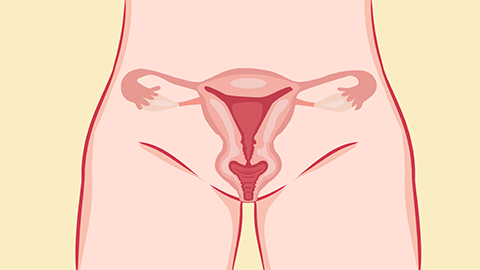
Postmenopausal women may opt for low-dose estrogen therapy or traditional Chinese medicine preparations such as Kunbao Pills. Supplemental vitamins may also be used to alleviate menopausal symptoms and delay aging. It is advisable to consult a healthcare provider for evaluation, maintain healthy lifestyle habits, avoid spicy or irritating foods, and consider appropriate estrogen-based medications if symptoms arise. We hope this information is helpful to you!


