


Can a posterior horn meniscus tear heal on its own?

The meniscus is a type of cartilaginous tissue. Generally, during physical activity, the meniscus protects the joint. Thus, it plays a vital role in daily life. Once damaged, the meniscus can impair joint function to some extent. So, can a posterior horn meniscal tear heal spontaneously?
Can a Posterior Horn Meniscal Tear Heal Spontaneously?
Whether a posterior horn meniscal tear can heal spontaneously depends primarily on the specific location and severity of the injury. If the tear occurs near the capsular region of the posterior horn and is relatively minor, spontaneous healing may occur—because this area has relatively rich blood supply, allowing the injured site to receive nutrients from the capsular arteries and undergo partial self-repair. In such cases, it is recommended to immobilize the knee with a brace under medical supervision and avoid weight-bearing during immobilization. As healing progresses, patients may gradually resume weight-bearing ambulation and begin appropriate functional rehabilitation exercises. However, if the tear is located farther from the capsular region, spontaneous healing is typically unlikely.
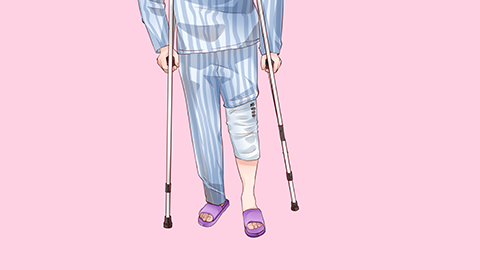
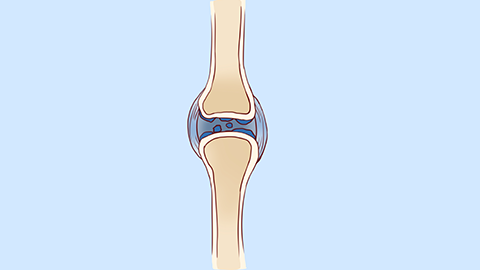
This is because the meniscus generally lacks adequate blood and nutrient supply—or because the posterior horn tear is severe. If a posterior horn meniscal tear causes joint pain, arthroscopic surgery should be performed as early as possible. During surgery, damaged meniscal tissue adhering within the joint must be debrided, and the remaining meniscus should be repaired and reshaped to restore its structural integrity. Otherwise, an untreated meniscal tear may cause secondary damage to the articular cartilage.
In daily life, patients should maintain a positive mindset, actively cooperate with their physicians’ treatment plans, take prescribed medications as directed (both in dosage and timing), and pay close attention to routine care—so that clinical improvement occurs as promptly as possible. We hope this response has been helpful to you.


