


How is osteophytosis treated?
Aug 24, 2022
Source: Cainiu Health

Dr. Lin Yunfei
Introduction
Glucosamine sulfate and chondroitin sulfate can be used to improve chondrocyte metabolism. Following the onset of osteophyte formation, patients may experience various discomforts. At this stage, certain physical therapies—such as thermotherapy, magnetotherapy, and ultra-short wave therapy—can be employed to alleviate symptoms. These modalities provide rapid symptomatic relief, promote blood circulation, relieve pain, and resolve blood stasis, thereby improving the patient’s quality of life.
In daily life, many middle-aged and elderly individuals develop symptoms of osteophytosis (bone spurs), which can cause certain inconveniences. Osteophytosis is associated with factors such as aging, physical activity levels, and weight-bearing injuries. Timely and effective treatment is essential to prevent disease progression and avoid further harm to the patient’s health. So, how is osteophytosis treated?
How Is Osteophytosis Treated?
Glucosamine sulfate and chondroitin sulfate may be used to improve chondrocyte metabolism. Following the onset of osteophytosis, patients often experience various discomforts. At this stage, certain physical therapies—such as thermotherapy, magnetotherapy, and ultra-short wave therapy—can help alleviate symptoms. These modalities provide rapid symptomatic relief, promote blood circulation, relieve pain, resolve stasis, and thereby enhance the patient’s quality of life. In fact, surgical intervention is rarely employed in the management of osteophytosis; however, surgery may become necessary if symptoms are exceptionally severe.
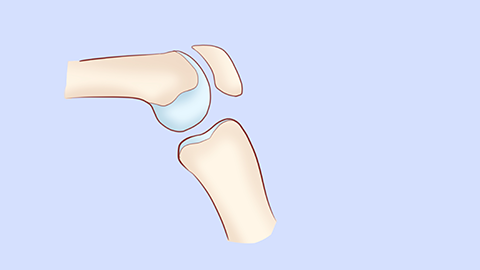
Patients diagnosed with osteophytosis—commonly referred to by clinicians as “bone spurs”—typically develop these lesions as part of normal age-related degeneration. Radiographically, osteophytes appear as bony outgrowths at joint margins, often with sharp, pointed edges. Oral administration of glucosamine tablets and “Guci Ping” (a traditional Chinese medicine formulation for bone spurs) is commonly recommended. Concurrently, patients should actively engage in appropriate joint movement and exercise to prevent ligament ossification. Additionally, local application of heat or physical therapy to affected joints can improve local blood circulation.
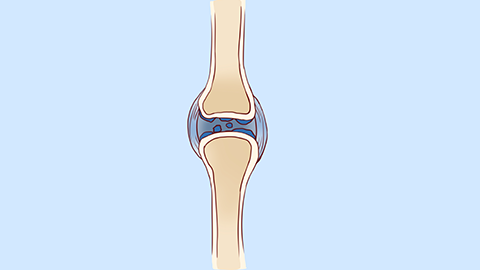
During treatment, patients should maintain a healthy diet, which can also contribute, to some extent, to their recovery. We hope this information is helpful to you.


