


How is osteophyte formation in the knee joint treated?

Orthopedic conditions are more common among middle-aged and elderly individuals, with knee osteophyte formation (bone spurs) being the most frequent. This is primarily due to year-round physical strain—since the knee joint bears the majority of body weight, it is especially vulnerable to injury-induced osteophyte development. Prompt treatment is essential upon diagnosis; so how is knee joint osteophyte formation treated?
How Is Knee Joint Osteophyte Formation Treated?
Knee joint osteophyte formation can be managed through traditional Chinese medicine (TCM) therapies and physical therapy. According to TCM theory, this condition is mainly associated with blood stasis and pathogenic factors; thus, treatment should focus on promoting blood circulation to resolve stasis, expelling pathogens, relaxing tendons, and unblocking meridians. A commonly prescribed herbal formula includes Clematis chinensis, Rehmannia glutinosa, Eupolyphaga sinensis (ground beetle), Pyrola calliantha, Cibotium barometz, Phoenix dactylifera (date palm), and raw Glycyrrhiza uralensis (licorice root). However, herbal treatment tends to produce relatively slow results, requiring a minimum of three to four consecutive treatment courses. Physical therapy offers highly effective outcomes for osteophyte management; options include paraffin wax therapy, ultrashort wave therapy, thermotherapy, magnetotherapy, and infrared therapy.
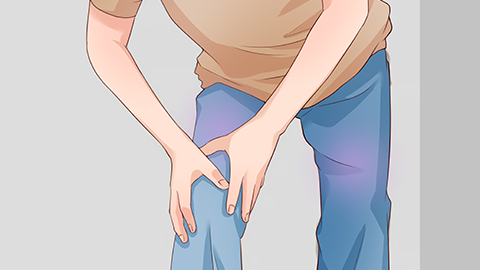
Knee joint osteophyte formation arises from various acute or chronic injuries and prolonged mechanical irritation. During movement, the knee inevitably sustains some degree of damage—whether during routine walking (a relatively low-impact activity) or more vigorous activities such as running or jumping. Under persistent injurious stimuli, osteophytes gradually develop and typically worsen with advancing age.
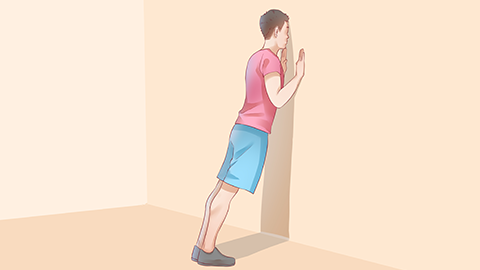
Patients diagnosed with this condition must avoid excessive physical exertion. During acute flare-ups, strict bed rest is strongly recommended. We hope this information proves helpful to you.


