


What Is the Difference Between Bone Spurs and Osteophytes?
Aug 24, 2022
Source: Cainiu Health

Dr. Lin Yunfei
Introduction
Bone spurs and osteophytes differ in their scope of meaning. To prevent skeletal damage caused by these poor postures, the body may develop compensatory bony overgrowths at the affected sites to prevent further injury. Once bone spurs or osteophytes are detected during a physical examination or disease diagnosis, it is important to avoid poor postures and modify prior habits related to daily life, work, and study to prevent further progression of the bone spurs.
Everyone desires a healthy body. Only with good physical health can one fully enjoy a happy life and better care for family members. In reality, however, various illnesses frequently affect us. Osteophytes (“bone spurs”) and osteophytosis (“bone overgrowth”) are common conditions often mentioned in daily life—but what distinguishes osteophytes from osteophytosis?
What Is the Difference Between Osteophytes and Osteophytosis?
Osteophytes and osteophytosis differ in their scope of meaning. To protect bones from damage caused by poor posture, the body may generate compensatory bone growth at affected sites to prevent further injury. Once osteophytes or osteophytosis are detected via physical examination or clinical diagnosis, individuals should consciously avoid poor postures and modify prior habits related to daily life, work, and study to prevent further progression of osteophyte formation. However, if habitual postures—especially those involving repetitive mechanical stress—cannot be altered, such bone overgrowth may continue to develop. When the osteophytes reach a certain size, they may compress adjacent nerves and blood vessels, leading to secondary clinical symptoms.
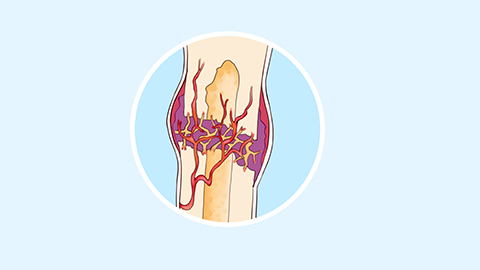
To help prevent osteophytosis, regular physical activity is recommended. This is because nutrients for articular cartilage are primarily supplied by synovial fluid, which typically penetrates cartilage tissue only under mechanical compression—thereby supporting normal physiological metabolism. Appropriate exercise increases intra-articular pressure, facilitating synovial fluid infiltration into cartilage and thus slowing down degenerative changes in articular cartilage, ultimately helping to prevent osteophytosis.

In daily life, patients should maintain a positive mindset, actively cooperate with physicians during treatment, take prescribed medications consistently and as directed, and pay attention to routine self-care—so that clinical improvement occurs as rapidly as possible. We hope this response proves helpful to you.



