


What should I do for a Grade III meniscus injury?

Meniscus injury is a highly prevalent condition in daily life, particularly common among young men. When the meniscus is injured, symptoms such as severe knee pain, inability to fully extend the knee spontaneously, and joint swelling may occur. So, what should be done for a Grade III meniscus tear?
What to Do for a Grade III Meniscus Tear
A Grade III meniscus tear may initially be managed with strict conservative treatment; however, expectations for recovery should remain realistic. Due to the severity of the injury and associated pain, conservative measures often yield limited success, and most patients ultimately require surgical intervention. During conservative management, weight-bearing on the affected limb must be strictly avoided to prevent further meniscal damage. Intra-articular interventions—including microwave physical therapy, blood-activating and stasis-resolving medications, pharmacological treatments, and nutritional agents such as sodium hyaluronate—may be administered. If no improvement is observed after 4–6 weeks of rigorous conservative treatment, diagnostic knee arthroscopy should be considered. Under minimally invasive arthroscopic guidance, meniscal repair is typically the first-line surgical option. If the tear is too extensive for repair, meniscectomy (partial removal) or meniscal shaping (meniscoplasty) may be performed. In cases of severe, irreparable damage, total meniscectomy may become necessary.
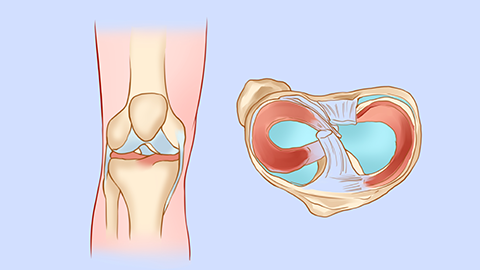
The meniscus plays a critical role in stabilizing the knee joint, distributing mechanical load across the joint surface, and facilitating intra-articular nutrient exchange. Its load-distributing and stabilizing function enables the knee to bear weight over many years without injury. In the unloaded state, the tibia does not contact the femur directly—the meniscus acts as a cushion between them. Under load, approximately 70% of the compressive force is borne by the meniscus, significantly reducing stress on the tibial plateau and thereby protecting articular cartilage and joint structures throughout the body.
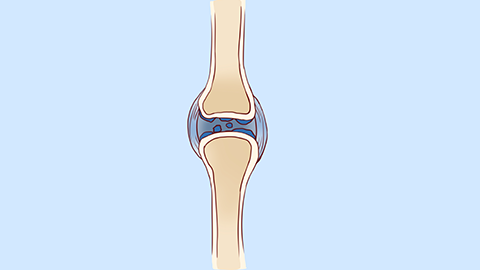
Patients are advised to avoid high-impact physical activities in daily life and seek prompt medical evaluation if any discomfort arises. We hope this information has been helpful.


