


Does a Grade III meniscal injury require surgery?

Grade III meniscal injury is the most severe type of meniscal damage. It typically results from trauma sustained during vigorous physical activity while the knee is in a partially flexed position. Pain during knee flexion and extension commonly occurs with joint movement, significantly impairing knee mobility. In severe cases, it may lead to complete meniscal tear and separation. So, does a Grade III meniscal injury require surgery?
Does a Grade III meniscal injury require surgery?
A Grade III meniscal injury does not always necessitate surgery. Meniscal injuries are classified into four grades. Grades I and II are relatively mild and can often be managed conservatively. However, conservative treatment is frequently ineffective; therefore, minimally invasive surgery—particularly arthroscopic surgery—is generally considered the optimal approach. Surgical options include meniscal repair, partial meniscectomy (removal), or suturing. For a Grade III injury, prompt and appropriate treatment is essential. Patients should strictly observe bed rest to facilitate recovery and avoid excessive physical activity or weight-bearing ambulation.
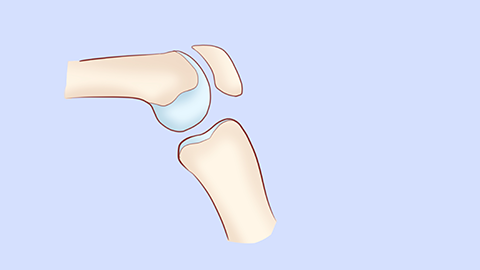
Grade III meniscal injury is an imaging-based diagnosis. Typically, a single traumatic event manifests as degeneration in the midportion of the meniscus, with slightly increased signal intensity on MRI. In Grade II injury, the area of abnormal signal is larger but still does not extend to the articular surface. Grade III injury represents advanced degeneration, where joint fluid has infiltrated the meniscus interior, resulting in signal interruption within the meniscus.

In daily life, patients should maintain a positive mindset, actively cooperate with their physicians’ treatment plans, take prescribed medications as directed—both in dosage and timing—and pay close attention to routine self-care measures to promote timely clinical improvement. We hope this information is helpful to you.


