


Can Gu Ci Pian treat osteophytosis?

Many people may encounter painful issues in daily life. In fact, the underlying causes of pain are relatively complex and may sometimes stem from simple external factors. Therefore, it is essential to identify the true culprit behind the pain. For instance, some elderly individuals only discover they have bone spurs (osteophytes) after seeking medical attention due to persistent pain. So, can Gu Ci Pian (Bone Spur Tablets) treat osteophytosis (bone spur formation)?
Can Gu Ci Pian Treat Osteophytosis?
Yes, Gu Ci Pian can be used to treat osteophytosis. Taken orally, Gu Ci Pian helps accelerate local blood circulation, slow down the progression of osteophyte formation and age-related degeneration, and alleviate associated symptoms. This traditional Chinese medicine (TCM) formulation consists of herbal ingredients including Drynaria rhizome (Gusuibu), Clematis root (Weilingxian), Eucommia bark (Duzhong), Aconite root (Wutou), and Corydalis tuber (Yanhusuo). Its primary therapeutic actions include promoting blood circulation and removing blood stasis, dispelling wind-dampness, warming the meridians and unblocking collaterals, and nourishing the liver and kidneys. In TCM theory, osteophytosis falls under the category of “Bi Zheng” (painful obstruction syndrome), which is typically caused by invasion of wind-cold-damp pathogens, often accompanied by deficiency of vital Qi and insufficiency of the liver and kidneys.
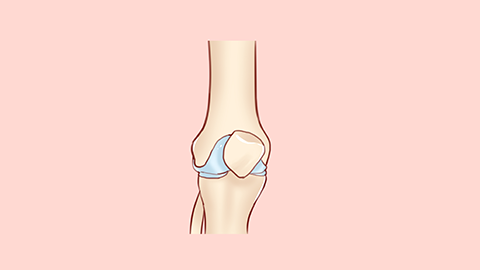
Osteophytosis—also referred to as “bone toxicity” or “bone spurs”—commonly affects middle-aged and elderly individuals. It primarily develops at the margins of bones as new bony tissue, appearing on X-ray images as narrow, pointed projections with broad bases. While some patients experience pain, osteophytosis itself is not inherently painful; rather, pain arises when osteophytes compress nearby nerves or irritate surrounding soft tissues.
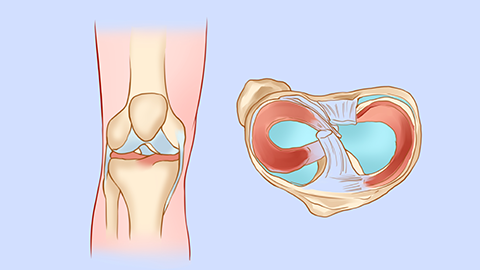
In daily life, patients should maintain a positive mindset, actively cooperate with their physicians’ treatment plans, take prescribed medications regularly and in correct dosages, and pay close attention to routine self-care—thereby facilitating timely improvement of their condition. We hope this information proves helpful to you.


