


Methods for Preventing Osteoporosis

In fact, osteoporosis is a very common orthopedic condition encountered in daily life. It predominantly affects middle-aged and elderly individuals. Although there are many causes of osteoporosis, many people remain unaware of them—making effective prevention difficult. So, what are the methods for preventing osteoporosis?
Methods for Preventing Osteoporosis
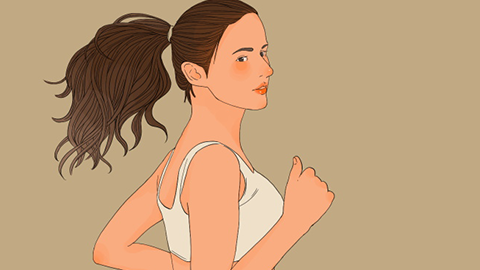
Preventive strategies include regular sun exposure and engaging in appropriate physical activity. Sunlight exposure promotes calcium absorption; therefore, spending time outdoors on sunny days—and receiving daily sunlight—is beneficial for preventing osteoporosis. Regular exercise benefits everyone: not only does it enhance overall physical fitness, but it also helps prevent osteoporosis. Consistent, structured physical activity effectively strengthens bones and reduces osteoporosis risk. For example, older adults may practice Tai Chi, while middle-aged individuals can incorporate morning jogging or play badminton or table tennis.
Osteoporosis can also be managed through improved nutritional intake. In addition to pharmacological treatment, optimizing dietary nutrition serves as an important adjunctive therapy. Patients with osteoporosis should consume adequate amounts of calcium, vitamins, and protein in their daily diet. Protein supports the formation of bone matrix, while certain vitamins (especially vitamin D) facilitate calcium absorption. Thus, patients are encouraged to regularly consume calcium-rich foods such as soy products, milk, and lean meats. If necessary, calcium supplements, vitamin D, and vitamin C may be taken under a physician’s guidance.
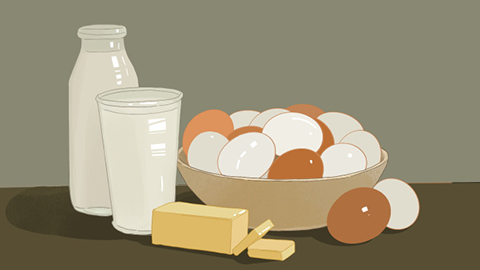
Dietary recommendations emphasize balanced nutrition—rich in calcium, low in sodium, and containing moderate amounts of protein. We hope this information proves helpful to you.


