


What should I do if my meniscus has worn away completely?

In fact, the medial and lateral menisci are located on the articular surface of the tibia and are commonly referred to as “menisci.” The peripheral edges of the menisci at this location are relatively thick and must be firmly attached to the joint capsule. In contrast, the central portion is comparatively thin and exists in a relatively free state. So, what should be done if the meniscus is completely worn away?
What to Do If the Meniscus Is Completely Worn Away
Surgical intervention may be considered when the meniscus is fully worn away. Surgery can involve removal of the damaged portion of the meniscus while preserving the healthy tissue. However, severe meniscal wear is common among elderly patients, who often concurrently suffer from complex degeneration of the knee cartilage. In such cases, meniscal surgery alone may fail to address the underlying cartilage damage, resulting in suboptimal postoperative outcomes. Patients with mild wear and no significant symptoms—typically classified as Grade 1–2 on MRI—do not require surgical intervention.
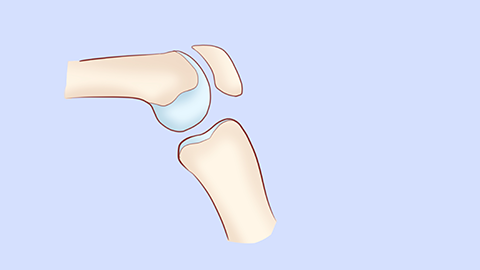
The meniscus is situated within the knee joint, between the femur and tibia, and consists of two distinct structures: the medial meniscus and the lateral meniscus. These structures provide stability and shock absorption during knee movement. Intense or improper physical activity can lead to meniscal injury; treatment—whether pharmacological or surgical—should be determined by a physician based on the severity of the injury.
In daily life, patients should maintain a positive mindset, actively cooperate with their physicians during treatment, take prescribed medications consistently and as directed, and pay attention to routine self-care to facilitate prompt improvement of their condition. We hope this response has been helpful to you.


