


Can temporomandibular joint arthritis heal spontaneously?

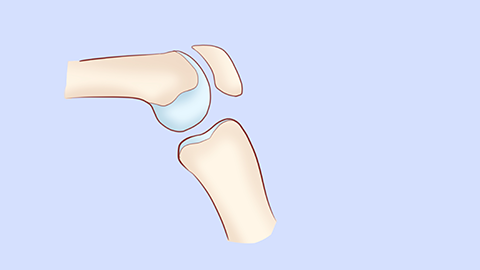
Temporomandibular joint (TMJ) arthritis arises from multiple factors, including chronic joint wear, retained dental roots or crowns in the oral cavity, malocclusion (inability of upper and lower teeth to properly meet), and decreased immune function. TMJ arthritis significantly impairs patients’ daily life, affecting both eating and speech, and thus warrants prompt and active treatment. Can TMJ arthritis resolve spontaneously?
Can TMJ Arthritis Resolve Spontaneously?
The potential for spontaneous resolution of TMJ arthritis depends on the individual case. In early-stage TMJ arthritis—where symptoms are relatively mild—recovery is possible with appropriate self-care and conservative management. During treatment, patients should avoid hard foods, correct unilateral chewing habits, maintain emotional balance, and avoid irritability, anxiety, and other stress-related emotions. Additionally, applying warm compresses to the affected joint and using medications can gradually alleviate pain; under these conditions, the condition may resolve within 1–2 weeks.

The primary impact of TMJ arthritis lies in impaired joint function. Patients commonly experience joint pain and a sensation of soreness or fullness—particularly during chewing or mouth opening—leading to avoidance of eating and difficulties with speech. Over time, pain may radiate to surrounding areas such as the neck, face, and back. This not only causes physical discomfort but may also trigger irritability, anxiety, and other emotional disturbances, substantially interfering with daily activities and work performance.
In daily life, patients should adopt a disciplined diet—avoiding spicy and irritating foods, refraining from binge eating, and ensuring adequate rest by avoiding late-night activities. We hope this information proves helpful to you.


