


What Are the Symptoms of Lumbar Osteophytosis?

Osteophytosis (bone spur formation) is a common orthopedic condition, frequently observed in middle-aged and elderly patients. Its primary cause is degenerative changes in bone and joints, which are also associated with osteoporosis. Therefore, calcium supplementation can be beneficial in managing osteophytosis. What symptoms are associated with lumbar osteophytosis?
What Symptoms Are Associated with Lumbar Osteophytosis?
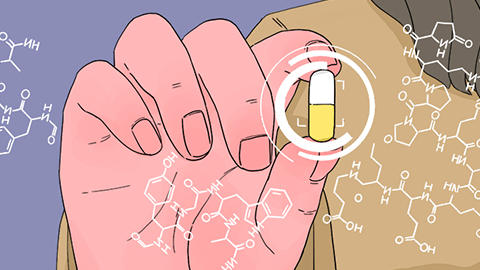
The main symptoms of lumbar osteophytosis are low back pain and leg pain. If the osteophytes form outside the spinal canal, symptoms typically include low back pain and hip pain. If nerve roots within the spinal canal are compressed by osteophytes, symptoms primarily involve leg pain, cramping, and numbness. Currently, there is no specific drug therapy for lumbar osteophytosis. However, herbal medicines that nourish the liver and kidneys and strengthen muscles and bones may help alleviate some pain. Often, lumbar osteophytosis presents without distinctive symptoms and cannot be definitively “cured.”
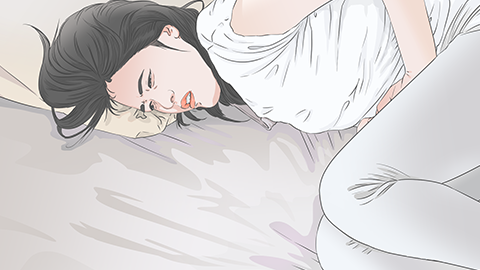
Early-stage lumbar osteophytosis commonly manifests as low back pain—particularly noticeable after prolonged sitting or upon waking in the morning—but symptoms often improve with appropriate rest. As the condition progresses, patients may develop lumbar stiffness, persistent pain, muscle weakness, and difficulty remaining in bed for extended periods. While rest may provide temporary relief, symptoms may worsen following overexertion. When osteophytes compress nearby nerves, patients may experience radiating low back pain, leg pain, numbness in the lower limbs, and restricted bending or flexion movements.
Patients are advised to maintain healthy lifestyle habits and engage regularly in outdoor physical activity, which benefits both physical and mental well-being. We hope this information is helpful to you.


