


Can synovitis be treated with corticosteroid injections?

Many people may be familiar with the term “closed-needle injection” (also known as “block injection”), and some individuals may even have already received such injections. Closed-needle therapy—more accurately termed “injection therapy” or “local infiltration therapy”—involves injecting varying doses and concentrations of medication directly into localized tissues to alleviate certain types of pain. So, can patients with synovitis receive closed-needle (block) injections?
Can patients with synovitis receive closed-needle (block) injections?
Closed-needle (block) injections are generally not recommended for patients with synovitis. Although such injections may temporarily relieve pain and suppress inflammation, the medications used typically contain corticosteroids, which can impair blood supply to articular cartilage and potentially accelerate joint degeneration. Therefore, patients with synovitis should avoid block injections whenever possible. Instead, topical applications of blood-activating and stasis-resolving plasters—such as Dongfang Huoxue Gao (Oriental Blood-Activating Ointment), Huoxue Zhitong Gao (Blood-Activating and Pain-Relieving Ointment), or Shangshi Zhitong Gao (Injury-Dampness Pain-Relieving Ointment)—may be used to improve local circulation and promote resolution of inflammatory substances. For severe pain, nonsteroidal anti-inflammatory drugs (NSAIDs) such as ibuprofen or acetaminophen may be taken orally to alleviate symptoms. In cases of severe or refractory synovitis, synovectomy (surgical removal of inflamed synovial tissue) may be considered.
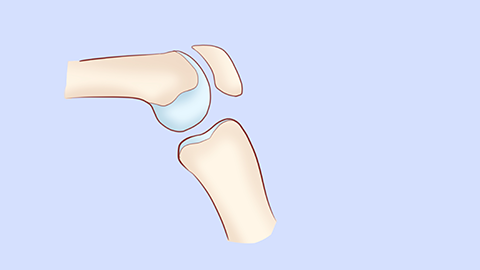
Patients should maintain warmth in the affected area and avoid direct exposure to cold drafts or air-conditioning. Inflammation can be managed through topical or oral anti-inflammatory and analgesic medications and ointments; strengthening surrounding musculature via targeted exercises helps enhance joint stability and alleviate synovitis symptoms. It is also essential to identify the underlying cause of synovitis—for instance, if it results from overuse or excessive physical strain, adequate rest is crucial.
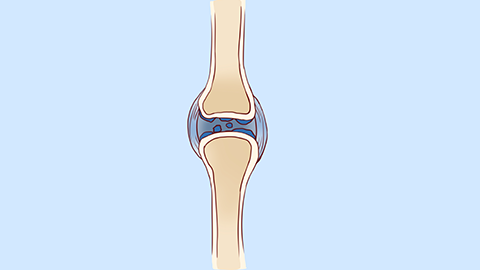
In daily life, patients should follow a balanced, regular diet—avoiding spicy, irritating, or overly rich foods, refraining from binge eating, and ensuring sufficient sleep to prevent late-night activity. We hope this information proves helpful.


