


How to Cure Osteophytosis (Bone Spurs)

Osteophytosis—commonly referred to as “bone spurs”—is a chronic joint disorder frequently observed in middle-aged and elderly individuals. It may cause local redness, swelling, and pain, leading to impaired mobility and significantly affecting patients’ daily lives. So, how can osteophytosis be effectively treated?
How to Effectively Treat Osteophytosis
Effective treatment of osteophytosis includes pharmacotherapy, physical therapy, and rehabilitation training. For pharmacotherapy, oral nonsteroidal anti-inflammatory drugs (NSAIDs) such as ibuprofen tablets or celecoxib capsules may be prescribed to reduce inflammation and relieve pain. Topical treatments—including flurbiprofen gel patches or loxoprofen sodium patches—can also help alleviate discomfort. Physical therapy may involve appropriate massage, far-infrared radiation, polarized light therapy, and medium-frequency pulsed electrotherapy. Rehabilitation training encompasses both active and passive exercises. For instance, lumbar and back muscle strengthening exercises can help relieve low back pain, while isometric quadriceps contractions and static squatting exercises are beneficial for improving knee joint function.
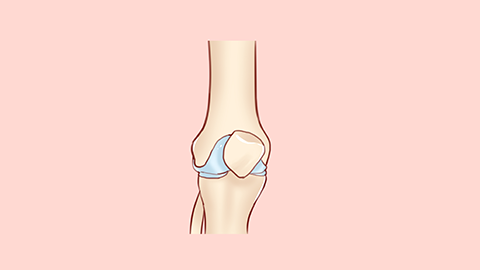
Regular physical activity helps maintain a broad range of motion in each joint. When joint cartilage experiences uniform mechanical stress, it remains healthy and does not undergo degeneration. Conversely, sedentary individuals experience limited yet disproportionately intense stress on their cartilage, increasing the risk of arthritis. Consistent exercise strengthens muscles and ligaments, thereby stabilizing joints and enhancing bone density. Moreover, regular physical activity promotes continuous secretion of synovial fluid within the joints. Synovial fluid nourishes the joint structures and helps delay joint aging.
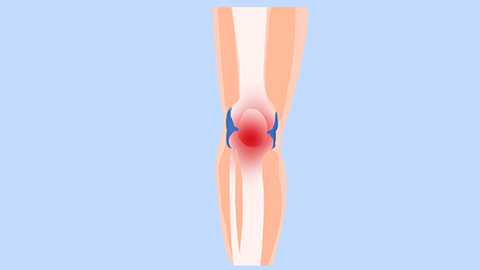
In daily life, maintain a balanced and regulated diet—avoid spicy, irritating foods, overeating, and staying up late. We hope this information proves helpful to you.


