


Can a Grade III meniscal injury heal spontaneously?

For individuals who enjoy high-intensity physical activities, the risk of meniscal injury is significantly elevated. Given the nature of such injuries, prompt intervention is essential—especially while the condition remains mild—to prevent potentially severe complications that could impair a patient’s ability to work and carry out daily life normally. So, can a Grade III meniscal tear heal spontaneously?
Can a Grade III Meniscal Tear Heal Spontaneously?
Spontaneous healing is highly unlikely in patients with a Grade III meniscal tear. This grade represents a complete tear—often involving longitudinal or horizontal fissures, and sometimes even fragmentation—of the meniscus. Due to the meniscus’s inherently poor blood supply, its nutrition relies primarily on diffusion from synovial fluid and adjacent tissues. Consequently, once a Grade III tear occurs, natural healing is virtually impossible, and surgical intervention becomes necessary to restore function. Common surgical approaches include minimally invasive procedures—such as arthroscopic meniscal repair or meniscectomy—as well as suture-based techniques specifically designed to promote recovery from meniscal tears.
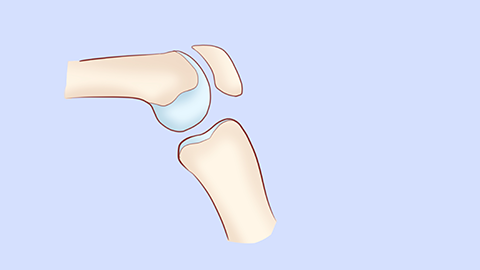
Patients with severe Grade III meniscal tears require surgical treatment to prevent the development of osteoarthritis. Conservative management typically yields limited efficacy; therefore, arthroscopic surgery is generally recommended—offering minimal tissue trauma and rapid postoperative recovery. In some cases, the torn meniscus can be sutured and repaired; in others, partial meniscectomy may be performed. It is crucial to avoid external rotational forces on the knee during recovery.
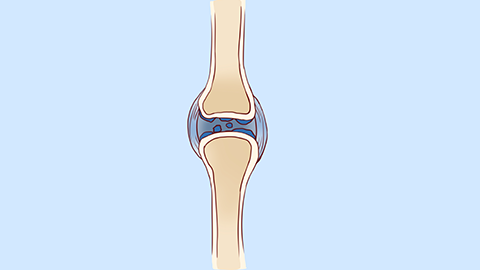
In daily life, patients should maintain a balanced diet—avoiding spicy, stimulating, or excessively rich foods—and refrain from binge eating or staying up late. We hope this information proves helpful to you.


