


What Are the Symptoms of Osteophytosis?
Aug 24, 2022
Source: Cainiu Health

Dr. Lin Yunfei
Introduction
Clinically, patients with osteophytosis typically experience persistent, dull pain in the affected joints. This pain worsens during activity and improves after brief rest. The pain is usually mild and often associated with weather changes—particularly worsening with decreasing temperatures—and may occasionally be accompanied by acute pain episodes. Additionally, joint stiffness and mild crepitus may be present.
Osteophyte formation (bone spur development) is a benign proliferative response that occurs as a compensatory mechanism following local cartilage degeneration in joints. Clinically, osteophytes commonly develop around joints and the spine. Osteophyte formation itself is a benign, degenerative process and typically does not require surgical removal. So, what symptoms are associated with osteophytes?
What Symptoms Are Associated with Osteophytes?
Clinically, patients with osteophytes usually experience persistent, dull pain localized to the affected joint. This pain tends to worsen during physical activity and improves after brief rest. The pain is generally mild and often correlates with weather changes—becoming more severe when temperatures drop, sometimes accompanied by acute pain episodes. Additionally, affected joints may feel stiff and produce faint crepitus (a grating or crackling sound) during movement.
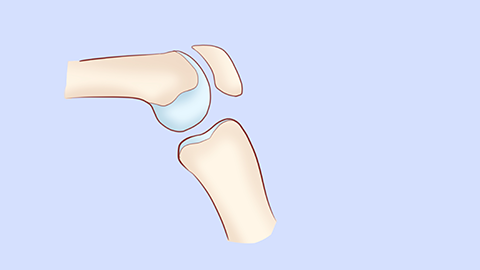
Symptoms of osteophyte formation typically begin between ages 40 and 50. Initial manifestations may include joint soreness or dull pain triggered by cold exposure, fatigue, or minor trauma; these symptoms gradually worsen over time and are often accompanied by crepitus-related pain. Prolonged maintenance of a single joint position may lead to transient stiffness, rigidity, and pain upon changing posture. Consequently, patients commonly experience morning joint pain and stiffness (“morning stiffness”), which gradually eases with movement and improves in flexibility and pain relief after a period of activity—though excessive activity may exacerbate symptoms. Patients frequently report audible “grating” or “crunching” sounds during joint motion. If osteophytes break off and become loose bodies within the joint, mechanical symptoms such as joint locking or impingement may occur. Over time, symptom-free intervals shorten annually, eventually leading to persistent, chronic symptoms.
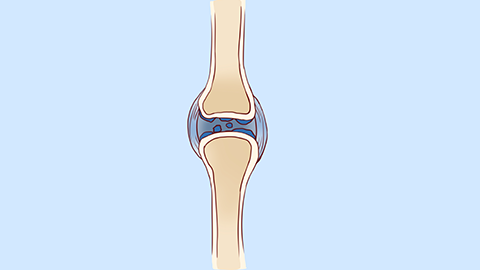
In daily life, maintain a regular, balanced diet—avoid spicy, irritating foods and binge eating, and refrain from staying up late. We hope this information is helpful to you.


