


How is degenerative knee osteoarthritis treated?

The human body has numerous joints, each of which is highly vulnerable yet critically important. Among these, knee osteoarthritis is extremely common in daily life. Timely and effective treatment of knee osteoarthritis is essential; otherwise, it can severely impair patients’ quality of life and work capacity, significantly restricting their mobility. So, how is degenerative arthritis treated?
How Is Degenerative Arthritis Treated?
Degenerative arthritis can be managed through general measures, pharmacological therapy, and surgical intervention. Health education is vital to help patients understand how to protect their knees. In daily life, activities that impose excessive wear and trauma on the joint—such as climbing stairs, squatting, and jumping—should be avoided whenever possible. Low-impact exercises like walking, cycling, and swimming are recommended. Long-term medication use is generally unnecessary; however, when knee symptoms become pronounced, short-term use of nonsteroidal anti-inflammatory drugs (NSAIDs) for pain relief may be appropriate. Topical NSAID formulations—such as Voltaren® gel and patches—are preferred first-line options. A small subset of patients with advanced disease, meniscal tears, or joint locking may benefit from minimally invasive arthroscopic debridement surgery.
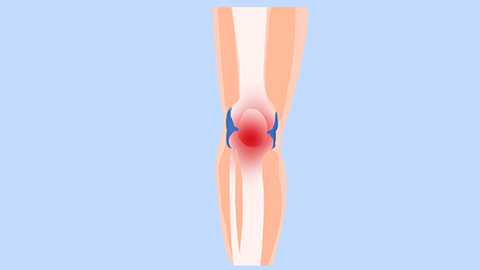
Patients should avoid stair climbing in daily life. For arthritis prevention, lying in bed and performing gentle leg flexion and extension exercises—as well as other joint-strengthening movements—is advisable. During autumn and winter, joints should be kept warm using cotton wraps or knee braces to minimize exposure to cold wind. Stair climbing and high-impact physical activity should also be avoided routinely.
In daily life, maintaining a balanced and regular diet is essential. Spicy and irritating foods should be avoided, as should binge eating or staying up late. We hope this information proves helpful.


