


How to Treat Osteophytosis

Most people are likely familiar with osteophytosis (bone spur formation), a common condition—but familiarity does not equate to understanding. Many friends and acquaintances may be suffering from this condition, unsure of how to proceed, and thus eager to learn about effective treatment options. So, how is osteophytosis treated?
How Is Osteophytosis Treated?
Osteophytosis can be managed through pharmacological therapy, laser-guided needle-knife release procedures, and other approaches. Generally, most analgesic medications are used solely to alleviate pain caused by bone spurs at various anatomical sites; however, they do not halt the ongoing process of bone proliferation. For instance, such medications may relieve muscle fatigue and pain associated with cervical osteophytosis but cannot eliminate or reverse the underlying bony overgrowth. In contrast, minimally invasive techniques—such as laser-assisted needle-knife therapy—offer advantages including rapid symptom relief, minimal tissue trauma, and relatively low cost. By combining laser energy with precise needle-knife intervention, this technique effectively releases adhesions between the lesion site and surrounding tissues, reduces inflammation, provides analgesia, and lowers the recurrence rate of osteophytosis.
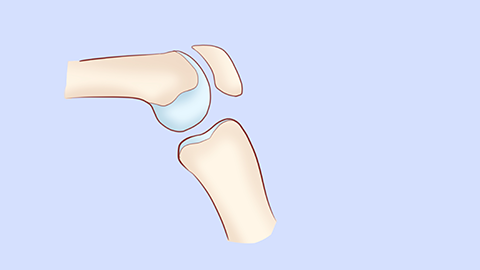
Preventive measures for osteophytosis begin with minimizing physical strain. For example, in cases of cervical osteophytosis, it is essential to avoid activities that place excessive stress on the cervical spine—such as prolonged forward head posture while working at a desk. Individuals should periodically lift their heads and avoid maintaining static positions for extended periods. For lumbar osteophytosis, prevention includes avoiding prolonged sitting, exposure to cold, and heavy lifting. During acute exacerbations, wearing a supportive lumbar brace may also be beneficial.
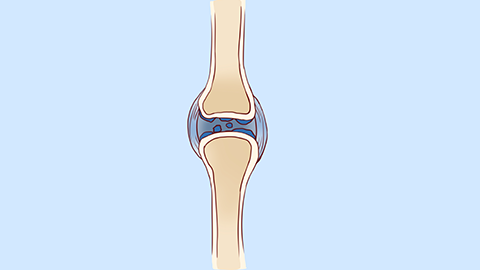
In daily life, maintaining a balanced and disciplined diet is crucial. Avoid spicy, irritating, or overly stimulating foods, and refrain from binge eating or staying up late. We hope this information proves helpful to you.


