


How is temporomandibular joint arthritis treated?

Temporomandibular joint (TMJ) arthritis occurs when inflammatory lesions develop in the temporomandibular joint and the adjacent auriculotemporal joint. Characteristic symptoms include marked joint pain and clicking or popping sounds during mouth opening and closing. Patients frequently experience earache, tinnitus, aural fullness (a sensation of ear blockage), and headache. In severe cases, normal eating becomes impossible; therefore, early and active treatment is essential. So, how is TMJ arthritis treated?
How Is TMJ Arthritis Treated?
Under medical supervision, initial treatment for TMJ arthritis typically involves pharmacotherapy, including nonsteroidal anti-inflammatory drugs (NSAIDs), chondroprotective agents, and corticosteroids. Additionally, psychological and behavioral interventions may be beneficial. Physical therapies—such as acupuncture, heat application, and infrared therapy—can also help alleviate symptoms. When the condition is severe and conservative treatments prove ineffective, surgical intervention may be considered. In such cases, NSAIDs may still be used to control inflammation, relieve pain, and ease discomfort.
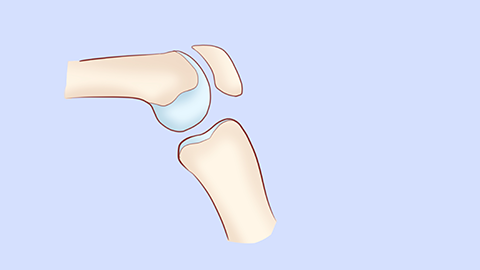
Medications for TMJ arthritis primarily aim to reduce inflammation and relieve pain. Chondroprotective agents effectively achieve these goals while carrying relatively few side effects, making them suitable for long-term use. In cases of particularly severe TMJ arthritis—characterized by marked limitation of mouth opening, difficulty eating or swallowing, and inadequate response to other medications—short-term, low-dose corticosteroid therapy may be employed. This approach often yields faster symptom relief. However, due to the comparatively greater risk of adverse effects associated with corticosteroids, dosage should be gradually tapered once clinical control is achieved.
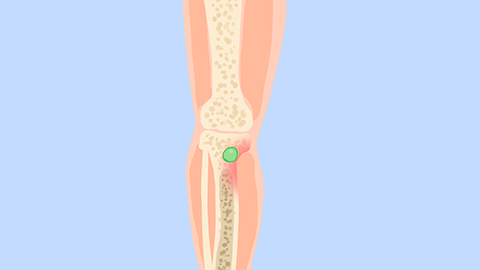
Patients undergoing pharmacologic pain management are also encouraged to consider adjunctive infrared physical therapy, which promotes blood circulation and provides analgesic effects. We hope this information proves helpful.


