


What should I do if hemorrhoids rupture and bleed?

Hemorrhoids are broadly classified into internal and external types. Excessive straining during defecation can easily cause bleeding from external hemorrhoids. In severe cases—such as during a woman’s menstrual period—patients may experience significant anxiety and fear. So, what should be done if a hemorrhoid ruptures and bleeds?
What to Do If a Hemorrhoid Ruptures and Bleeds
Hemorrhoidal bleeding can be managed through local medication, oral treatment, and dietary adjustments. Certain hemostatic agents may be applied topically to the affected area, or hemorrhoid suppositories and ointments may be used for止血 (hemostasis). Oral hemostatic medications may also be prescribed. Patients are advised to seek medical evaluation at a hospital, where physicians will select appropriate hemostatic drugs based on individual clinical conditions. Dietary modifications are equally important: patients should avoid spicy and irritating foods and instead consume bland, high-fiber meals to promote regular, soft bowel movements.
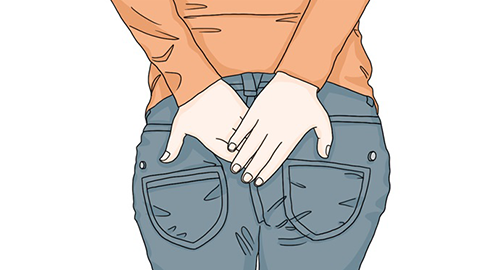
If constipation is present, prompt management is essential, as it is a major contributing factor to hemorrhoid development. Increase fluid intake and consume more vegetables, fruits, and other high-fiber, coarse-fiber foods. For individuals without diabetes, honey water may be beneficial. If no bowel movement occurs for over three days, stool-softening medications may be considered. During acute flare-ups, opt for soft or liquid foods such as congee or lotus root starch.
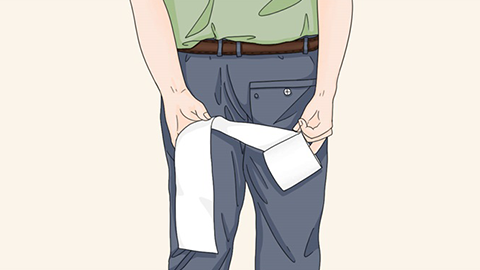
Patients are encouraged to adopt healthy lifestyle habits, including smoking cessation and alcohol moderation. We hope this information proves helpful.


