


Best Treatment for Osteophytosis

Osteophytosis, also known as proliferative osteoarthritis, is a degenerative condition affecting cartilage, intervertebral discs, ligaments, and other soft tissues constituting the joints. This degeneration leads to bone and joint deformities, joint pain, restricted mobility, and other symptoms. So, what is the optimal treatment for osteophytosis?
Optimal Treatment for Osteophytosis
The optimal non-pharmacological treatments for osteophytosis include massage therapy, traction, and acupuncture. Patients with osteophytosis may regularly perform self-massage, which helps improve local blood circulation and promotes resolution of inflammation. Before bedtime, patients can lie supine on a bed and gently massage the affected area. Traction therapy effectively reduces pressure and compression exerted by osteophytes (bone spurs) on adjacent nerves, thereby alleviating pain associated with osteophytosis. Acupuncture also demonstrates beneficial effects in promoting meridian flow, activating blood circulation, and reducing swelling.
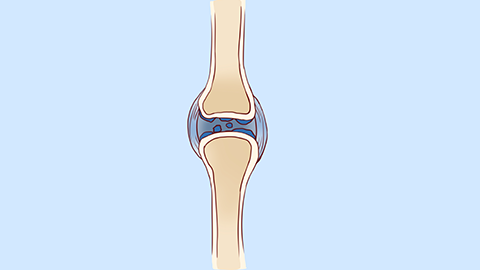
Patients with osteophytosis should avoid prolonged, high-intensity physical activity. While excessive exercise should be avoided, appropriate, regular physical exercise remains the most effective preventive strategy against osteophytosis. Additionally, patients should maintain a balanced diet rich in antioxidant-containing foods—such as grapes, pineapples, strawberries, tomatoes, and potatoes—which are abundant in essential vitamins.

In cases of severe disease progression, prompt medical evaluation and professional treatment at a hospital are essential. During treatment, patients should avoid consuming spicy foods, including chili peppers. We hope this information proves helpful to you.


