


What is osteophytosis?

Osteophyte formation—commonly known as “bone spurs”—is a chronic joint disorder frequently observed in middle-aged and elderly individuals. It may cause localized redness, swelling, and pain, leading to impaired mobility and significantly affecting patients’ daily lives. So, what exactly is osteophyte formation?
What Is Osteophyte Formation?
Osteophyte formation is a degenerative bone process characterized by local bone sclerosis or the development of bony outgrowths (osteophytes). Most cases are asymptomatic; however, severe osteophyte formation can result in localized pain, swelling, muscle tension, spasms, and restricted movement. Take calcaneal (heel bone) osteophyte formation as an example: With advancing age, the bone undergoes aging and degeneration, triggering osteophyte formation. Severe cases may lead to the development of heel spurs. Excessive physical activity and repetitive mechanical stress on the heel can further accelerate spur growth. The primary symptom of calcaneal spurs is heel pain, which typically worsens with weight-bearing and during cold weather. During active episodes, minimizing stimulation to the heel, avoiding exposure to cold, and soaking the feet in warm water may help alleviate symptoms.

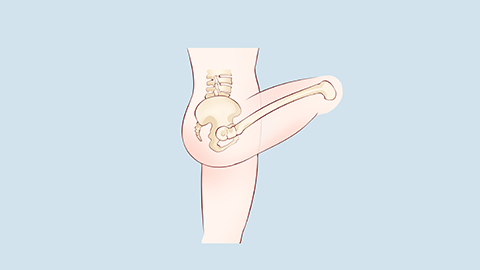
Osteophyte formation is typically a consequence of degenerative changes. In fact, many instances represent the body’s self-protective response. The calcaneus (heel bone), lumbar spine, and knee joints are the most common sites affected. For example, lumbar osteophyte formation often arises from recurrent muscular traction due to lumbar instability, stimulating new bone growth. Many patients with osteoarthritis exhibit prominent osteophytes—an adaptive response intended to increase the load-bearing surface area of the joint and enhance joint stability. Thus, osteophyte formation is not merely a pathological feature but also reflects the body’s intrinsic protective mechanism.
Dietary recommendations include consuming milk, small fish and shrimp, black fungus, kelp, and nuts; ensuring adequate sun exposure; and engaging in appropriate physical exercise. Additionally, it is advisable to limit intake of oily, sugary, and highly stimulating foods, while increasing consumption of fresh vegetables and fruits. We hope this information proves helpful to you.


