


Differences Between Osteophytosis and Osteoporosis
Aug 24, 2022
Source: Cainiu Health

Dr. Lin Yunfei
Introduction
The difference between osteophytosis (bone spur formation) and osteoporosis lies in the fact that the former involves excess bone growth, whereas the latter involves bone loss. Although osteoporosis and osteophytosis are two distinct conditions, both can result from calcium deficiency. Osteoporosis is a systemic metabolic bone disorder characterized by reduced bone mass, deterioration of bone microarchitecture, increased bone fragility, and heightened susceptibility to fractures.
After entering middle and old age, many individuals develop osteoporosis and osteophytosis (bone spurs) due to the loss of calcium and collagen in the body. Since these conditions cause rapid decline and loss of bone mass—thereby increasing the risk of fractures in areas such as the thoracic and lumbar vertebrae—it is important to understand: What are the differences between osteophytosis and osteoporosis?
Differences Between Osteophytosis and Osteoporosis
The fundamental difference lies in one involving excess bone formation (“too much”) and the other involving bone loss (“too little”). Although osteophytosis and osteoporosis are two distinct conditions, both can stem from calcium deficiency. Osteoporosis is a systemic metabolic bone disorder characterized by reduced bone mass, deterioration of bone microarchitecture, increased bone fragility, and heightened fracture risk. Bones affected by osteoporosis become porous and are prone to fracture at any time. Osteophytosis, on the other hand, represents the body’s compensatory response to osteoporosis.
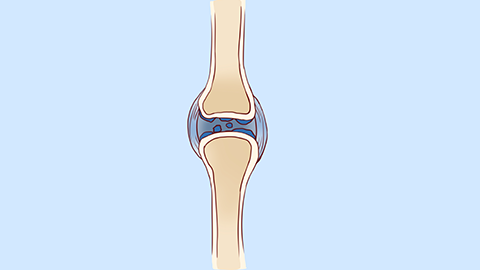
Avoid spicy and stimulating foods; refrain from smoking or drinking alcohol, as these may exacerbate pain. Additionally, avoid carbonated beverages and foods containing excessive food additives, which may contribute to localized bone demineralization, worsening osteoporosis and accelerating osteophytosis. Timely medical intervention is essential: initially, patients should avoid strenuous lumbar activities and heavy lifting. Oral medications—such as anti-osteophyte tablets—may be prescribed to inhibit further osteophyte formation.
In daily life, prolonged sitting should be minimized. If lower back discomfort occurs, placing a supportive cushion behind the lumbar region may help alleviate symptoms. We hope this information proves helpful to you.






