


Does placing cotton in the tooth during a pulpitis episode kill the dental nerve?

Pulpitis is a common dental condition that can be classified as either acute or chronic. Acute pulpitis causes severe, immediate pain. In severe cases, it may lead to redness and swelling of the oral gums, directly affecting a person’s ability to eat. So, does placing cotton in the tooth during a pulpitis episode kill the dental nerve?
Does placing cotton in the tooth during a pulpitis episode kill the dental nerve?
Placing cotton in the tooth during a pulpitis episode does not kill the dental nerve. The cotton is typically soaked in anti-inflammatory medication and placed into the cavity to exert antibacterial effects and act as a barrier against external bacteria. However, pain often persists even after cotton placement. Pulpitis is an inflammatory condition of the dental pulp caused by bacterial infection or mechanical trauma, commonly triggered by microbial infection or chemical irritation.
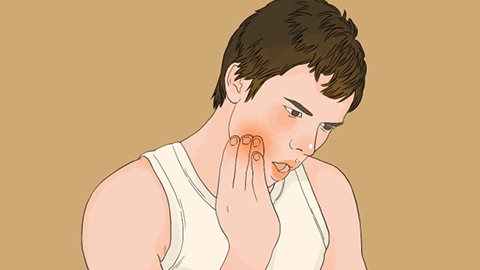
Pulpitis typically manifests as vasodilation and congestion within the pulp tissue. In its early stages, patients often experience pain triggered by cold, heat, acidity, sweetness, or alternating hot and cold stimuli. Spontaneous pain is usually indicative of acute pulpitis. Standard treatment for pulpitis generally involves root canal therapy—i.e., drilling into the tooth and removing the dental nerve.

In daily life, patients should maintain a positive mindset, actively cooperate with their dentist’s treatment plan, take prescribed medications on time and in the correct dosage, and pay attention to routine oral care—thus facilitating prompt improvement of their condition. We hope this information is helpful to you.


