


Osteophyte surgery
Aug 24, 2022
Source: Cainiu Health

Dr. Lin Yunfei
Introduction
Surgical treatment for osteophytes primarily includes minimally invasive procedures, open osteotomy, orthopedic fixation surgery, and joint replacement surgery. These interventions aim mainly to alleviate the adverse effects of osteophytes on adjacent critical structures, thereby relieving associated clinical symptoms. Additionally, patients with osteophytes may undergo pharmacological management (e.g., oral medications) and physical therapy, which can also help reduce related clinical manifestations.
Osteophyte formation—commonly known as “bone spurs”—is a chronic joint disorder frequently observed in middle-aged and elderly individuals. It may cause localized redness, swelling, and pain, leading to impaired mobility and significantly affecting patients’ daily activities. So, when is surgery indicated for osteophyte formation?
Surgical Management of Osteophyte Formation
Surgical interventions for osteophyte formation primarily include minimally invasive procedures, open osteotomy, orthopedic fixation, and joint replacement surgery. These procedures aim to alleviate adverse effects caused by osteophytes on adjacent critical anatomical structures, thereby relieving associated clinical symptoms. In addition, non-surgical management—including oral medications and physical therapy—can effectively mitigate clinical manifestations. For patients with severe disease, postoperative functional rehabilitation is essential to further reduce symptom burden and prevent progression of osteophyte formation. Concurrently, patients should avoid excessive physical strain and cold exposure, among other aggravating factors.
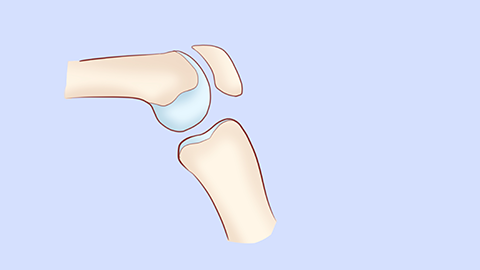
Patients diagnosed with osteophyte formation may take anti-inflammatory and analgesic medications to relieve symptoms, or nutritional supplements (e.g., glucosamine) to support joint health. Most patients with osteophyte formation do not require surgical intervention. Radiographic imaging (e.g., X-ray) enables clear diagnosis, particularly in middle-aged and elderly individuals. For those with osteophyte formation involving the joints, anti-inflammatory analgesics or nutritional agents such as glucosamine tablets are commonly prescribed; again, surgery is rarely necessary for most cases.

If osteophytes compress nearby nerves, patients may experience symptoms such as numbness and pain, warranting further evaluation and treatment. We hope this information has been helpful.






