


Can patients with keratitis receive botulinum toxin injections for wrinkle reduction?

Today, all women value beauty—regardless of their age. For middle-aged women, the demand for cosmetic treatments may be even greater, as they transition from their reproductive years into perimenopause and menopause. During this period, facial aging becomes particularly noticeable, especially in the form of numerous wrinkles. Many therefore opt for botulinum toxin injections (“wrinkle-relaxing injections”) to address these concerns. But can individuals with keratitis receive such injections?
Can individuals with keratitis receive wrinkle-relaxing injections?
Yes, individuals with keratitis may receive wrinkle-relaxing injections. Injecting botulinum toxin around the eyes to treat wrinkles does not cause keratitis. Typically, keratitis arises from trauma, infection, or ocular surface dryness. When botulinum toxin is injected into the periorbital wrinkles, it does not impair full eyelid closure nor induce corneal trauma or dryness. Therefore, botulinum toxin injection has no adverse effect on corneal health—and certainly does not trigger keratitis.
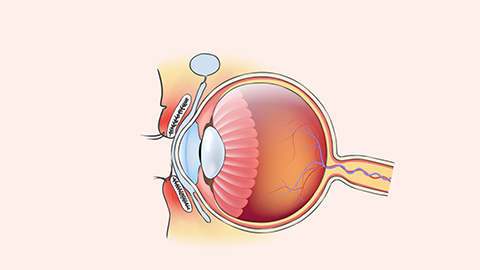
If keratitis does occur, treatment must be standardized and conducted strictly under a physician’s guidance. It is essential to adhere fully to the prescribed treatment regimen. Regular follow-up examinations are required throughout therapy—meaning treatment should be closely monitored by a healthcare provider, with timely reporting of any issues and prompt adjustments as needed. In daily life, maintaining ocular hygiene and cleanliness is crucial, as is addressing the underlying cause of keratitis. For instance, long-term contact lens wearers are at higher risk for keratitis—often due to improper handling during lens insertion/removal and inadequate cleaning or contamination of lens care solutions. Avoiding contamination of lens solutions is therefore imperative.

In everyday life, maintain a balanced and disciplined diet: avoid spicy, irritating foods and overeating, and refrain from staying up late. We hope this information proves helpful.


