Treatment Methods for Patellar Osteophyte
Aug 24, 2022
Source: Cainiu Health

Dr. Lin Yunfei
Introduction
Osteophyte formation (bone spurs) in the knee is very common. If knee pain or disease is caused by knee osteophytes, hospital-based treatment is divided into non-surgical and surgical approaches. Non-surgical treatment begins with pharmacotherapy, including both topical and oral medications—such as patches, topical rubs, and oral agents. However, some patients may have comorbidities such as cardiac disease, gastrointestinal discomfort, hypertension, or abnormal blood glucose levels.
Most people are likely familiar with osteophytosis (bone spur formation), a common condition—but familiarity does not necessarily equate to understanding. You may know many friends or acquaintances who suffer from this condition and feel uncertain about how to manage it. Naturally, you’d want to learn about effective treatment options. So, what are the treatment approaches for knee osteophytosis?
Treatment Options for Knee Osteophytosis
Knee osteophytosis is highly prevalent. When knee pain or dysfunction stems from osteophytes in the knee joint, clinical management typically falls into two categories: non-surgical and surgical treatment. Non-surgical management begins with pharmacotherapy—including both topical and oral medications. Topical treatments include medicated patches and topical ointments; oral medications are also commonly prescribed. However, some patients may have comorbidities such as cardiac disease, gastrointestinal discomfort, hypertension, or abnormal blood glucose levels, making them hesitant to pursue drug-based therapy. In such cases, physical therapies offer a valuable alternative. In recent years, various physical modalities have gained popularity—including acupuncture, tuina (Chinese therapeutic massage), and conventional physical therapy. These interventions aim to correct the mechanical alignment (load-bearing axis) of the knee joint, relieve surrounding muscular spasms, and alleviate associated pathological changes—thereby promoting harmonious coexistence between the osteophytes and the surrounding musculotendinous structures, without provoking symptoms. Approximately 90% of patients achieve excellent outcomes through conservative (non-surgical) management.
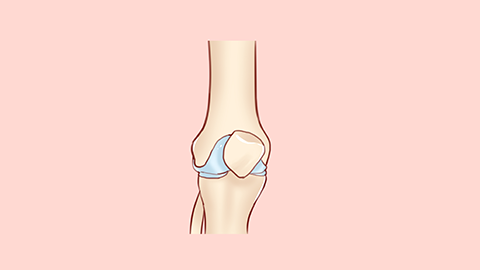
With appropriate attention and lifestyle adjustments, knee osteophytosis can remain asymptomatic—even when imaging reveals significant bony overgrowth. Since many individuals exhibit no clinical symptoms despite radiographic evidence of severe osteophytosis, the primary goal becomes maintaining joint balance and integrating preventive strategies into daily life. That said, a small minority of patients fail to achieve satisfactory clinical improvement—or fail to meet their therapeutic goals—despite diligent conservative management. For these individuals, surgical interventions—such as corrective osteotomy or total knee arthroplasty—may be considered to effectively alleviate pain and functional impairment caused by knee osteophytosis.
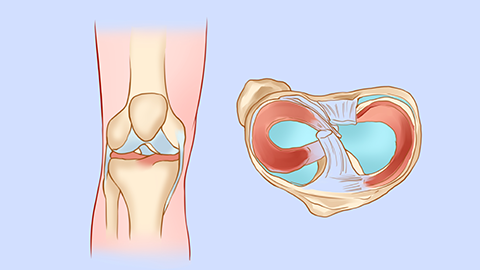
We recommend incorporating fresh vegetables and fruits into your diet. These foods are rich in vitamins and possess anti-inflammatory and antioxidant properties. As knee osteophytosis often involves low-grade inflammatory stimulation, increasing intake of vegetables and fruits may help reduce localized pain and support resolution of inflammation. We hope this information proves helpful to you.