


How is astigmatism measured during refraction?

Many people have astigmatism, which can severely impair normal vision. When viewing objects, images often appear blurry, and double shadows may even occur—causing significant difficulties in daily learning and work. To rapidly alleviate these symptoms, it is essential to first understand the correct diagnostic and treatment methods. So, how is astigmatism measured during refraction?
How Is Astigmatism Measured During Refraction?
Astigmatism assessment typically requires computerized refraction to determine both the degree and axis of astigmatism; therefore, computerized refraction is indispensable for detecting astigmatism. Clinically, astigmatism is very common—primarily resulting from increased anterior-posterior curvature of the cornea and asymmetry along its meridians, causing light rays to focus as a dispersed blur rather than a sharp point on the retina. This condition is termed “astigmatism.” Most cases are congenital, though some degree of progression may occur later in life; thus, astigmatism is highly prevalent, with the vast majority of individuals exhibiting some degree of it. However, when astigmatism measures less than 100 diopters (D), patients often remain asymptomatic, with no obvious clinical signs or symptoms, and usually require no specific intervention.
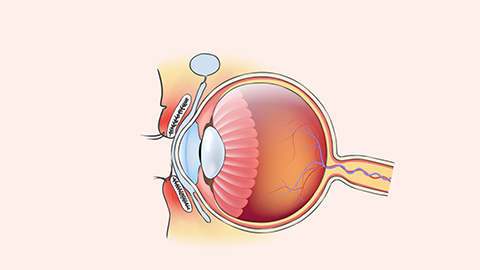
Cycloplegic refraction (pupil dilation) is performed to fully relax the ciliary muscle and reveal the true refractive state. Before age 18, children’s accommodative capacity remains strong; hence, cycloplegic refraction yields the most accurate measurement of refractive error. Without cycloplegia, measurements may be significantly inaccurate. If astigmatism is present, timely correction is strongly recommended. The goal of correction is not to eliminate astigmatism—nor is it possible to reduce its magnitude—but rather to minimize further progression, prevent severe visual deterioration, and avoid high-astigmatism-induced amblyopia.

In daily life, it is advisable to spend more time outdoors, cultivate healthy work-rest habits, and avoid staying up late. We hope this information proves helpful to you.


