


What are the symptoms of keratitis?

If you have keratitis, proper care is essential—protect your eyes diligently, apply warm compresses to soothe them, or cleanse them with normal saline. Additionally, pharmacological treatment may be appropriate. For instance, antimicrobial agents may be prescribed for diagnosis and treatment, or corticosteroids may be used to alleviate inflammation. In some cases, eye patching may be necessary. But what symptoms does keratitis cause?
What Are the Symptoms of Keratitis?
Patients with keratitis typically experience significant visual impairment. Clinical signs include reduced corneal transparency, loss of corneal luster, ulcer formation, and ciliary injection. Viral keratitis—particularly herpes simplex virus (HSV)-induced keratitis—is a severe, potentially blinding ocular disease and ranks first among corneal disorders. It commonly manifests as cloudy opacities on the corneal epithelium that coalesce into dendritic patterns, subsequently progressing to geographic (map-like) lesions. After healing, faint, hazy opacities often remain. Iridocyclitis frequently accompanies this condition. Early symptoms primarily include:
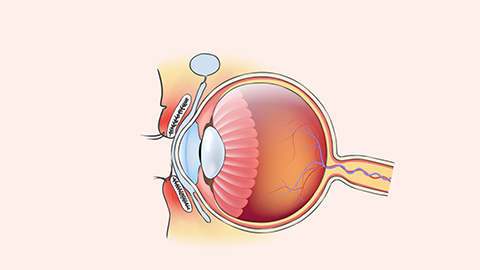
Photophobia, epiphora (excessive tearing), ocular pain, foreign-body sensation, and recurrent episodes—all of which severely impair vision. Bacterial keratitis is an infectious corneal inflammation caused by bacterial pathogens. Clinically, it often follows a history of corneal trauma and can be classified into three types: simple corneal ulcer, creeping corneal ulcer, and greenish purulent corneal ulcer. Creeping corneal ulcer has an acute onset, characterized mainly by ocular pain, epiphora, photophobia, foreign-body sensation, and decreased vision.
In daily life, patients should maintain a positive mindset, actively cooperate with their physicians’ treatment plans, take medications strictly as prescribed (both in dosage and timing), and adhere to routine eye care measures—so that clinical improvement occurs as rapidly as possible. We hope this response is helpful to you.


