How to Diagnose Anal Sinusitis and Proctitis
Aug 24, 2022
Source: Cainiu Health

Dr. Cheng Yicheng
Introduction
A rectoscopy can detect anal sinusitis and allow direct visualization of the anal sinuses. Anal sinusitis is typically caused by bacterial infection of the anal sinuses, leading to localized inflammation; the anal sinuses often become deeper and larger and may be covered with purulent secretions. The main symptoms include anal pain or a sensation of heaviness and swelling; some patients may experience mucoid, purulent, or bloody stools.
Anal sinusitis is a relatively common anorectal disorder today. Once it develops, prompt and appropriate treatment is essential. Patients should avoid spicy or irritating foods, maintain regular and unobstructed bowel movements, and drink plenty of water. But how are anal sinusitis and proctitis diagnosed?
How Are Anal Sinusitis and Proctitis Diagnosed?
A rectoscopy enables direct visualization and assessment of the anal sinuses, facilitating diagnosis of anal sinusitis. This condition typically arises from bacterial infection of the anal sinuses, leading to localized inflammation. Affected sinuses often become deeper and enlarged, with purulent secretions adhering to their surfaces. Common symptoms include anal pain, a sensation of heaviness or fullness in the anal region, and, in some cases, mucoid, purulent, or bloody stools. Prompt treatment is crucial: initial management usually involves pharmacotherapy—traditional Chinese medicine (TCM) preparations may be administered via retention enema, while topical ointments or suppositories can be applied rectally.

Rectoscopy is also instrumental in diagnosing proctitis, allowing precise evaluation of the rectal mucosa’s appearance and the extent of pathological changes. Combined with routine stool analysis, this method enables accurate diagnosis. Clinical manifestations of proctitis include diarrhea, increased bowel movement frequency, mucoid stools, and purulent or bloody stools. Patients may experience a burning or stabbing sensation in the anus, or a feeling of heaviness; severe cases may present with abdominal pain and distension-related discomfort.
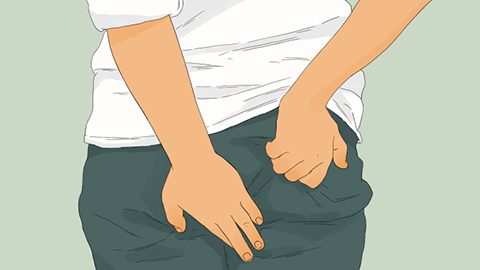
In daily life, patients should maintain a positive mindset, actively cooperate with their physicians’ treatment plans, take prescribed medications regularly and as directed, and adhere to proper self-care practices—thereby promoting timely clinical improvement. We hope this information proves helpful to you.